Search
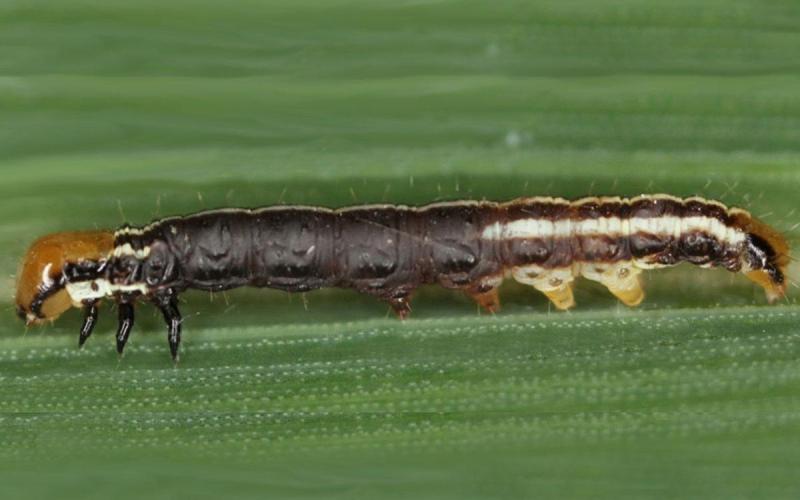
Common Stalk Borer Activity Estimate: June 5, 2024
In southern South Dakota, enough degree days have accumulated for common stalk borer caterpillars to begin moving from alternative hosts into corn. Fields should be monitored for leaves with signs of defoliation.
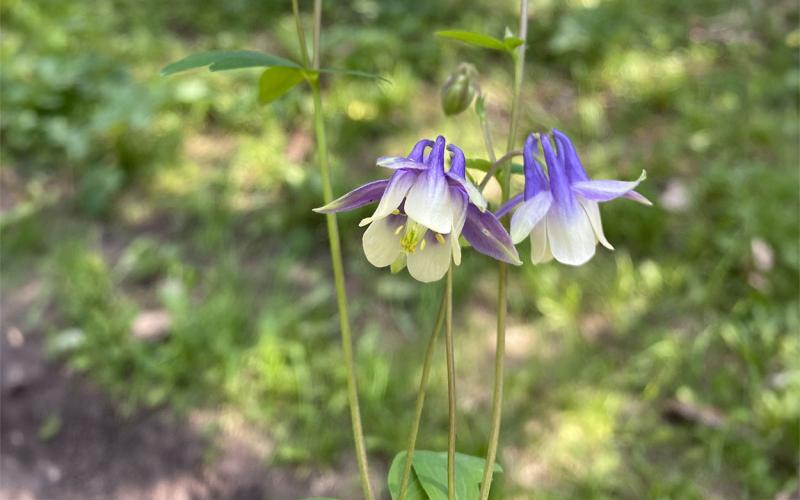
Native Plants to Know: Small-Flowered Columbine (Aquilegia brevistyla)
Aquilegia brevistyla, or small-flowered columbine, is a native, perennial, herbaceous plant in the Ranunculaceae (buttercup family) that grows in cool, shaded, canyons in the Black Hills of South Dakota.
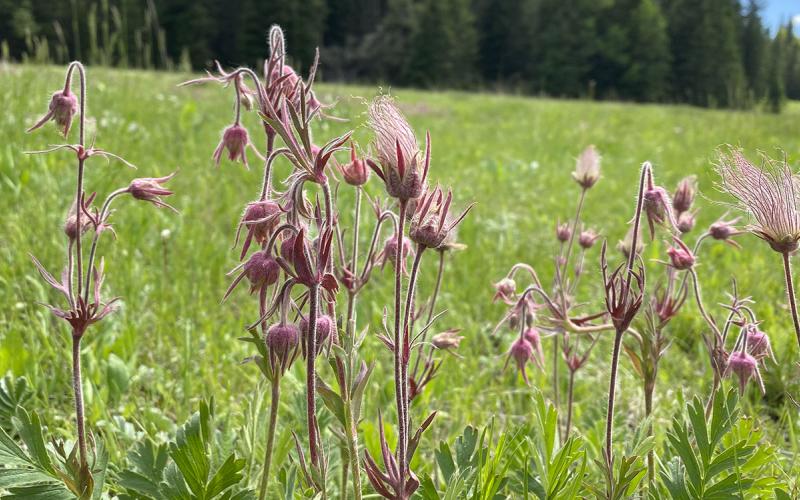
Native Plants to Know: Prairie Smoke (Geum triflorum)
Geum triflorum or Prairie Smoke (Rosaceae) is a flowering, herbaceous (non-woody stem) perennial, native to North American prairies known for its distinctive nodding and wispy flowers that resemble plumes of smoke
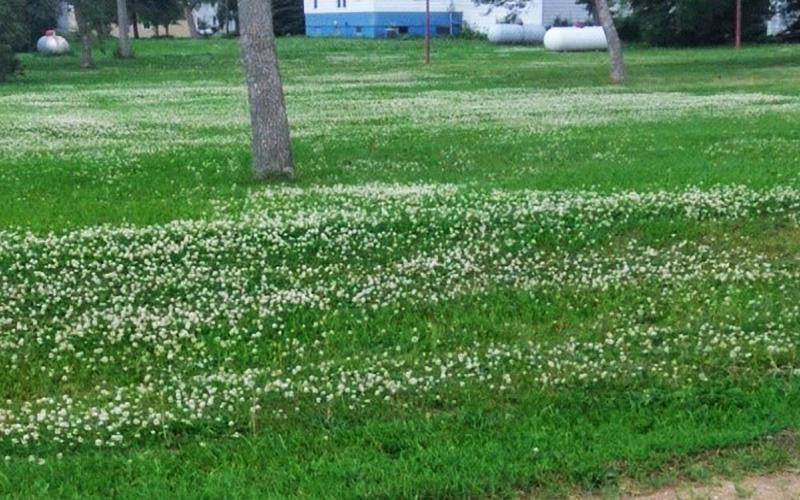
Buzzworthy Backyards: How Bee Lawns Are Reinventing Green Spaces
Bee lawns integrate a variety of low-growing perennials and fine fescues that not only require minimal maintenance, but also actively support local wildlife, particularly bees
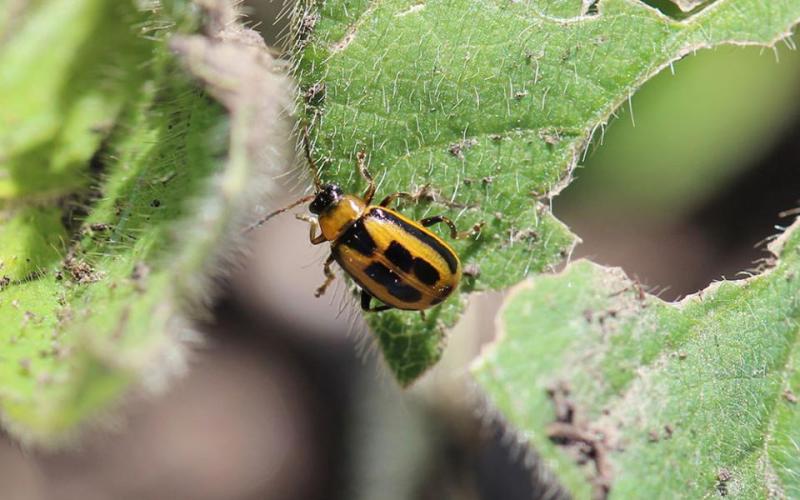
Bean Leaf Beetles Are Active in South Dakota
It’s important to remember early season scouting for bean leaf beetle defoliation. At this time, overwintering bean leaf beetles reach the adult life stage, and they emerge in with an appetite.
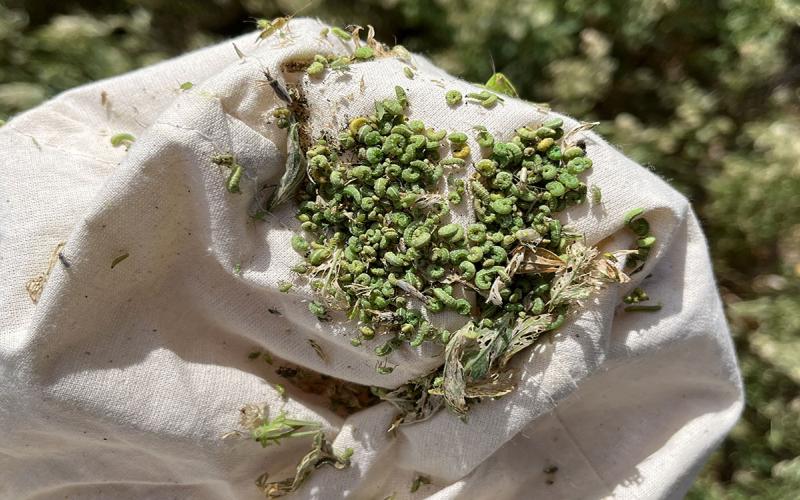
Alfalfa Weevil Activity Prediction Update: June 19, 2024
Across South Dakota, degree day estimates indicate that alfalfa weevil activity should be completed. However, our field observations this week suggest otherwise.
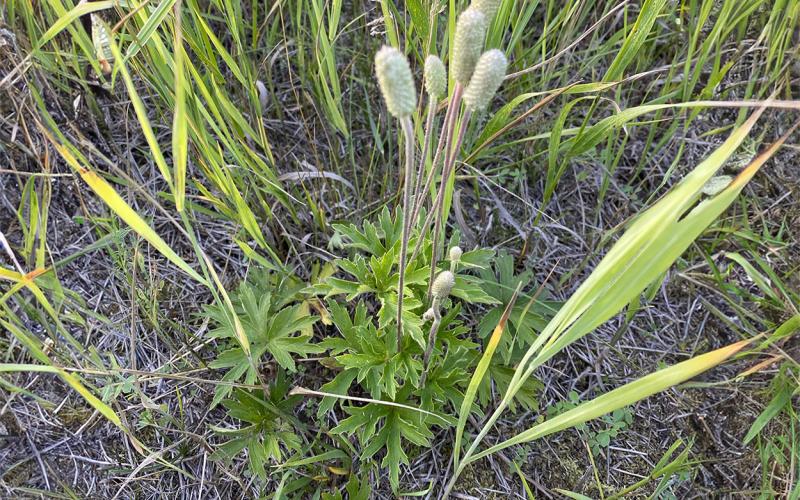
Native Plants to Know: Thimbleweed (Anemone cylindrica)
Anemone cylindrica (Ranunculaceae), also known as thimbleweed or candle anemone, is a perennial, herbaceous plant native to prairies and woodlands of central and northern North America.
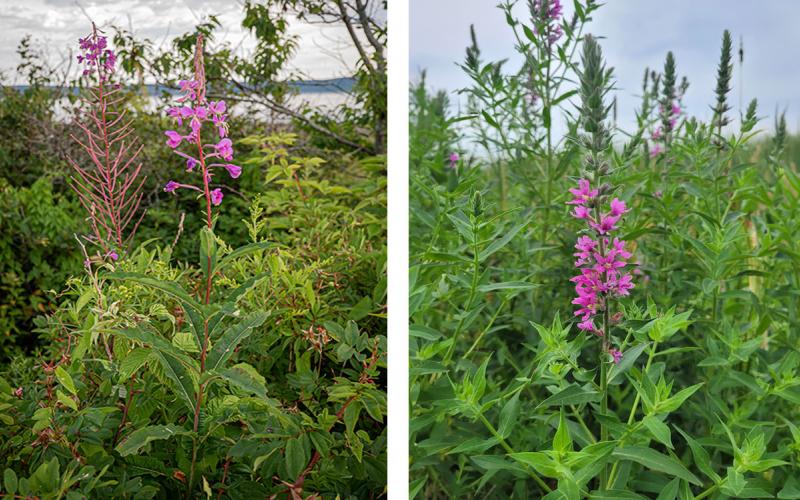
Plant Look-Alikes: What’s the Difference Between Fireweed and Purple Loosestrife?
Fireweed and purple loosestrife are often confused with one another due to their similar appearances, but the two plants have dramatically different impacts on the environment. Learn some key characteristics to help tell them apart.
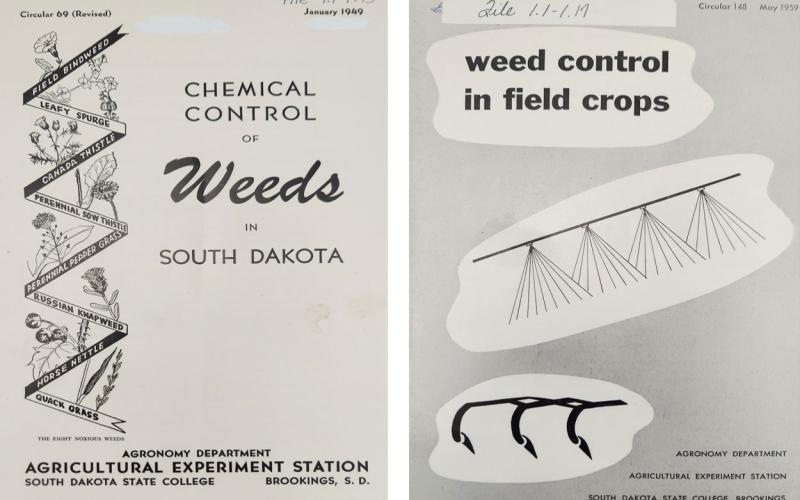
Revisiting Old Lessons in Corn Weed Management: 2,4-D and dicamba
What can past herbicide programs teach us about managing against herbicide-resistant weeds in corn today?
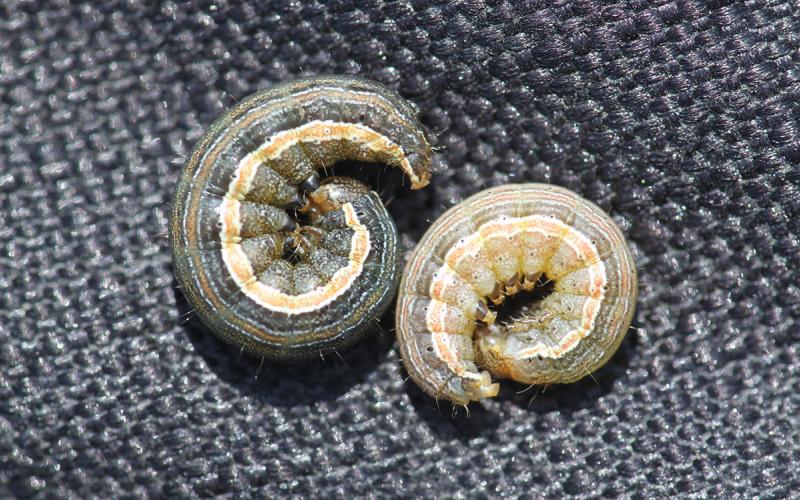
Keep an Eye on Your Wheat: True Armyworm caterpillars may be present
Every year, true armyworm caterpillars pose a threat to South Dakota wheat fields, and they most frequently show up during the end of June and early July. However, strong southerly winds during the spring can cause populations to show up earlier.