Search
Climate Resilience Toolkit for the Northern Plains Region
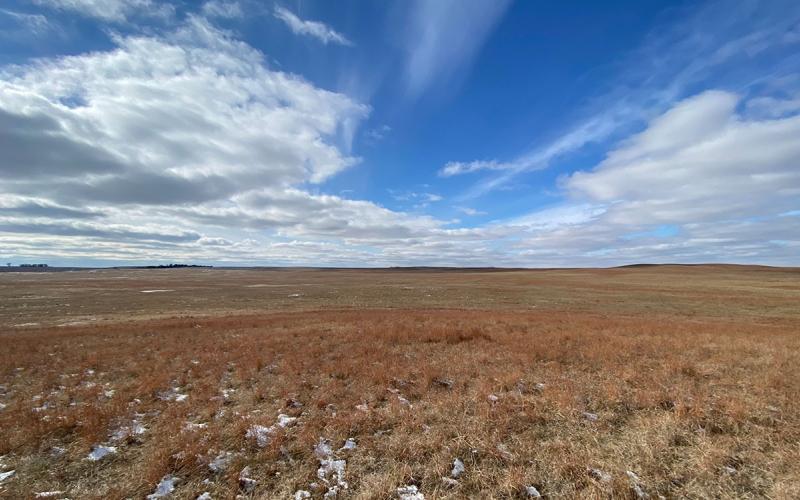
In September 2021, the U.S. Climate Resilience Toolkit announced the publication of a new Northern Great Plains Region section. The new section can help producers recognize climate hazards, assess vulnerabilities and confront risks.
2021 Fall and Early Winter Climate Outlook
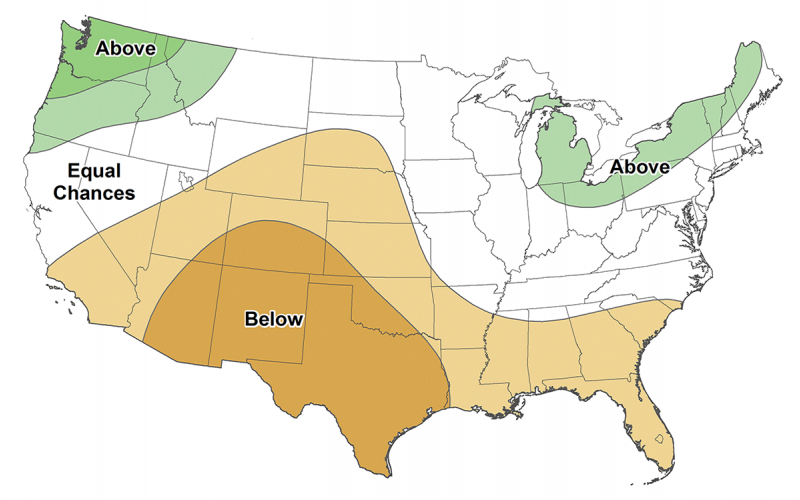
The latest monthly and seasonal climate outlooks were released Sept. 16, 2021 by National Oceanic and Atmospheric Administration’s Climate Prediction Center. Forecasters are pointing towards a warmer than average October, with odds leaning towards drier conditions for the last few months of the year.
Dectes Stem Borer in Soybean
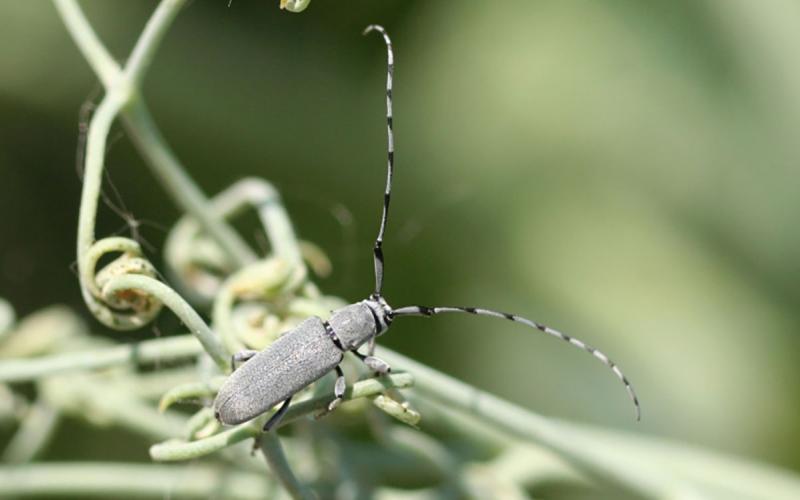
Although Dectes stem borers are more of an issue in South Dakota sunflower, they can also infest soybean. Thier larvae may cause soybean yield losses due to their feeding activity in the pith of the stem and also due to late-season lodging.
Fall Armyworm Caterpillars Causing Issues in South Dakota
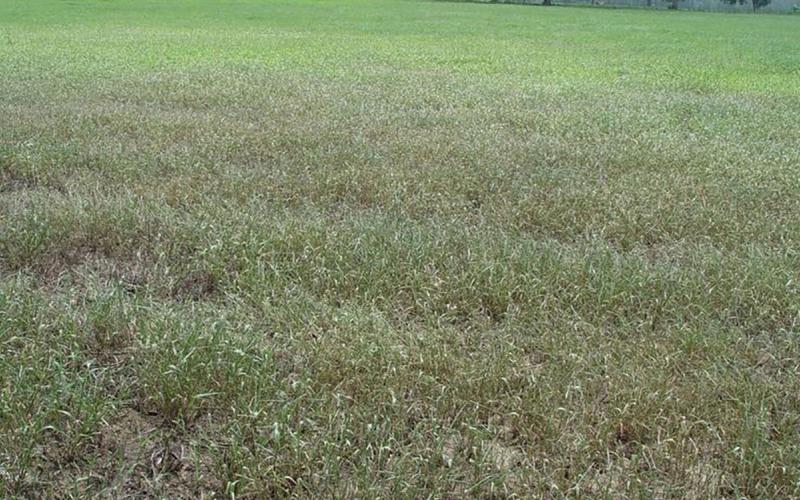
This week we started to receive reports of pastures and alfalfa stands that have been heavily fed on by fall armyworm caterpillars. Typically, these pests are not an issue in South Dakota. However, populations have been very large in many states during 2021, and they have now moved into South Dakota.
Farm Size and Efficiency
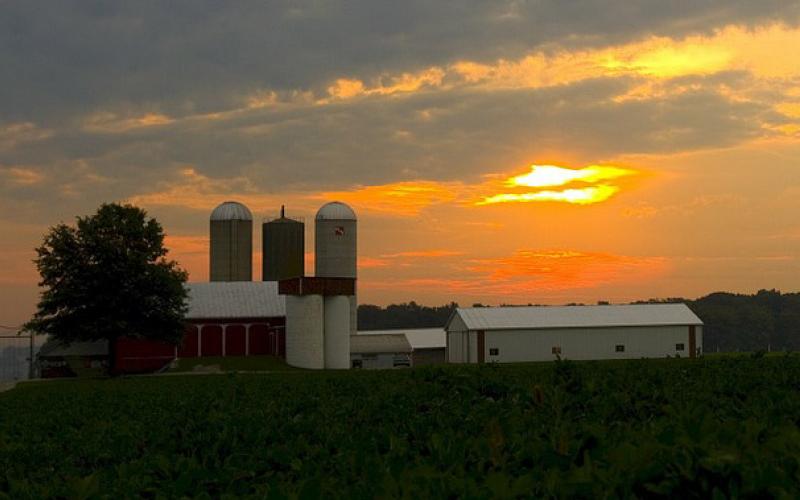
Growth is a common denominator of various business objectives. A business may want to grow profits, sales, market share, etc. The growth of a business itself usually refers to growth in equity, or growth in assets after debts have been paid. Farms, from a business perspective, are no exception. Farmers seeking to grow equity need to be willing and able to retain earnings and cannot be overleveraged.
Nitrates
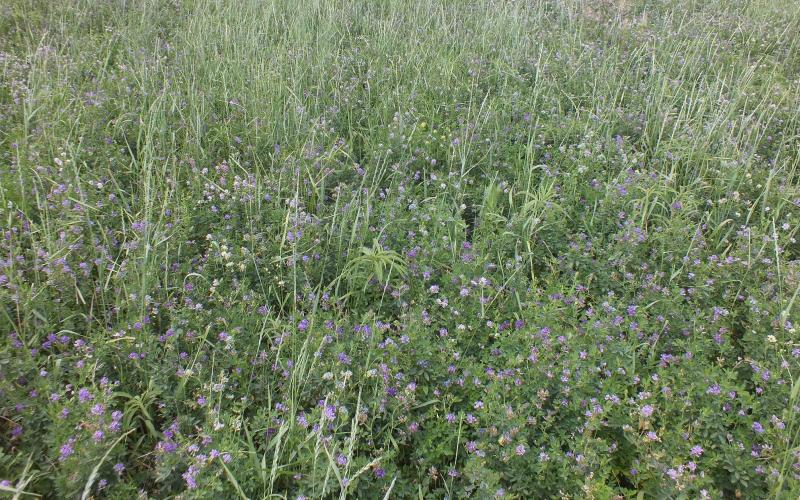
In this episode, Adele Harty, former SDSU Extension Cow/Calf Field Specialist, talks with various cow/calf producers about the subject of nitrate testing feeds, and how that process is used in their day to day operations.
Constructed Wetlands: Mitigation, Credit Where Credit is Due
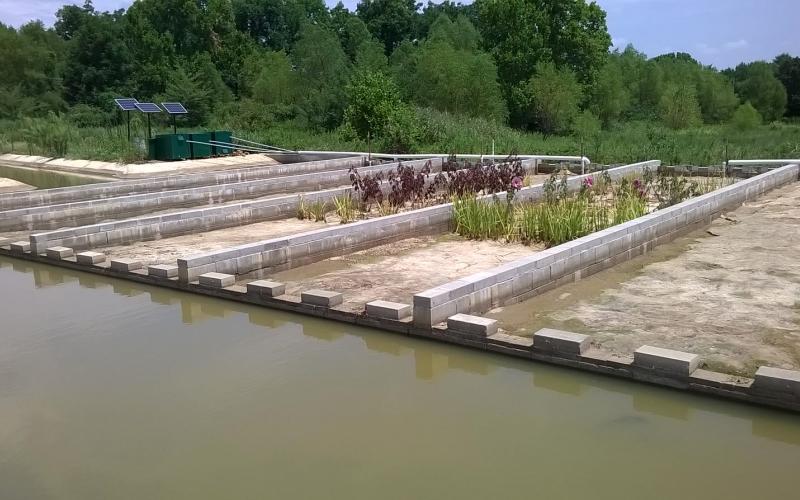
This week on Streamlines we join John McMaine and Anthony Bly for their continued discussion of constructed wetlands.
SDSU, NDSU Extension to Host Inspired by Annie’s Project ‘Meat Marketing 101’
July 13, 2022
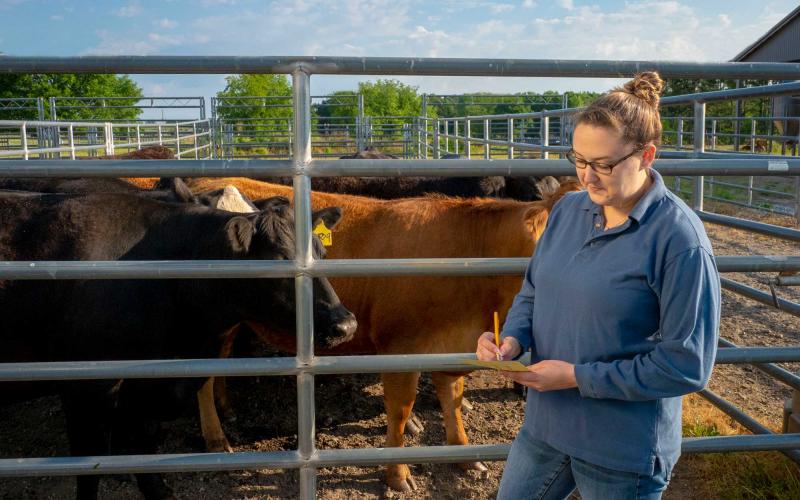
Industry specialists from both South Dakota and North Dakota will discuss topics, such as consumer preferences, marketing plans, processing and product distribution.

Kids Are Tough, but They Still Need Resiliency Skills!
Kids are tough, but how can we teach them to become resilient and recover from the difficulties they will face during their childhood? Learn some tips to help children build resilience during difficult times.
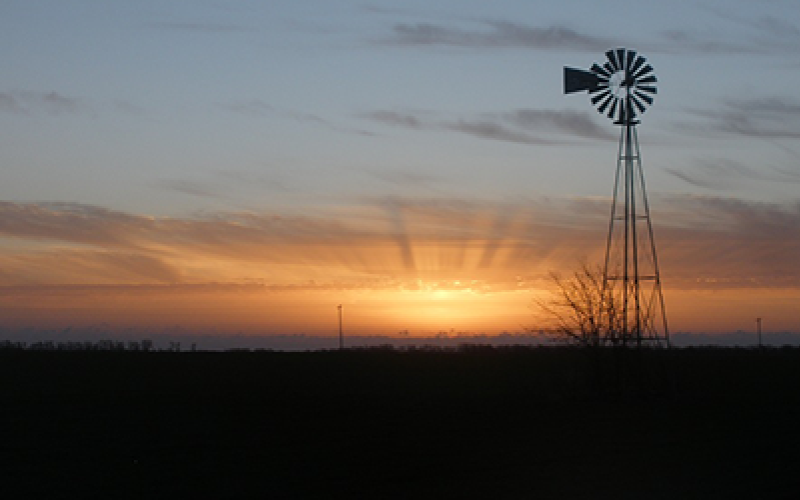
Farming Strategies for the Future
There was a time in agriculture when greater yields always meant greater profitability. Today’s economic environment is characterized by high input costs and depressed commodity prices. Under this scenario when the optimum input/output relationship has been attained, more inputs do not necessarily result in greater returns on investment. Therefore, todays’ agriculture paradigm requires management that addresses production “optimization”. This is the point where a previously known level of inputs maximizes outputs before incurring into greater investments that result into diminishing returns.