Search
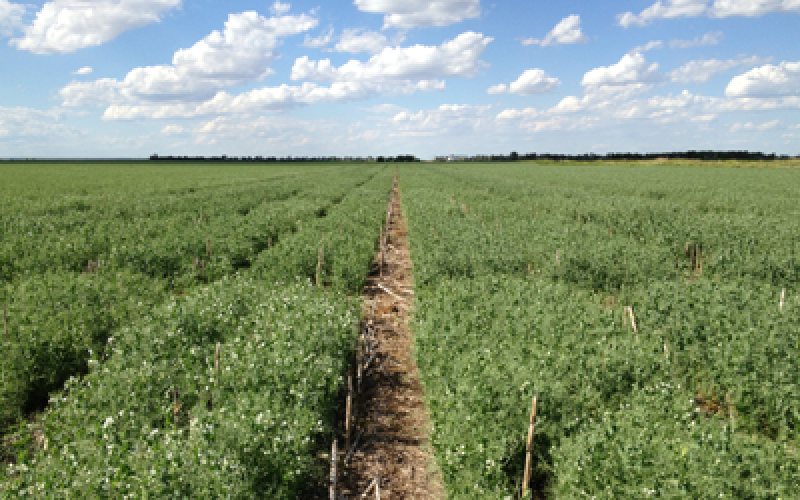
Production and Utilization of Field Peas in South Dakota
Guide to field pea production and utilization in South Dakota
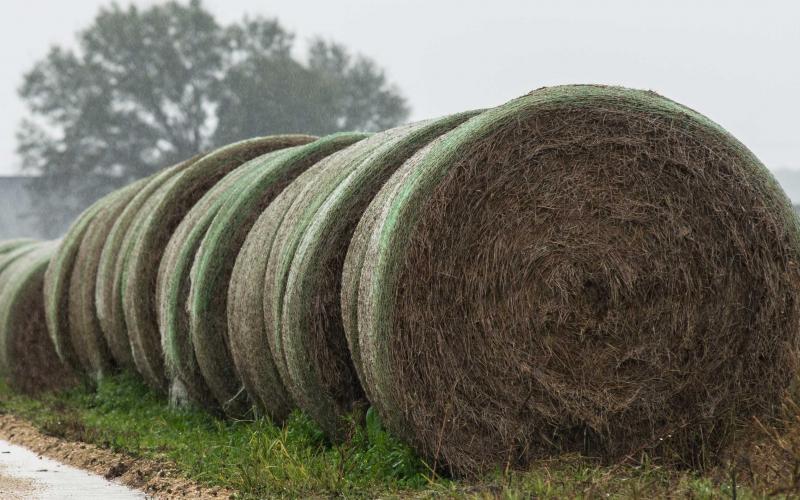
Round Bale Storage Conservation
Fact sheet discussing conservation of round bale storage.
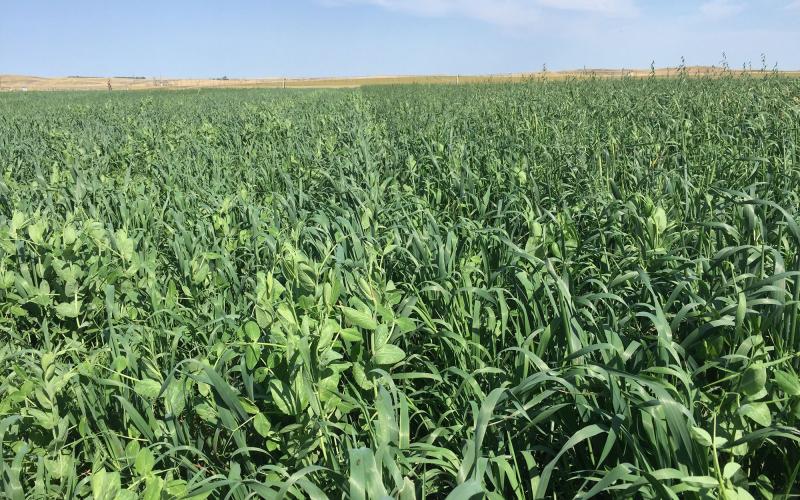
Peas Offer Options in 2020
Current events have made decisions around crop options very difficult this spring. Field peas are an option that may have a fit for some producers.
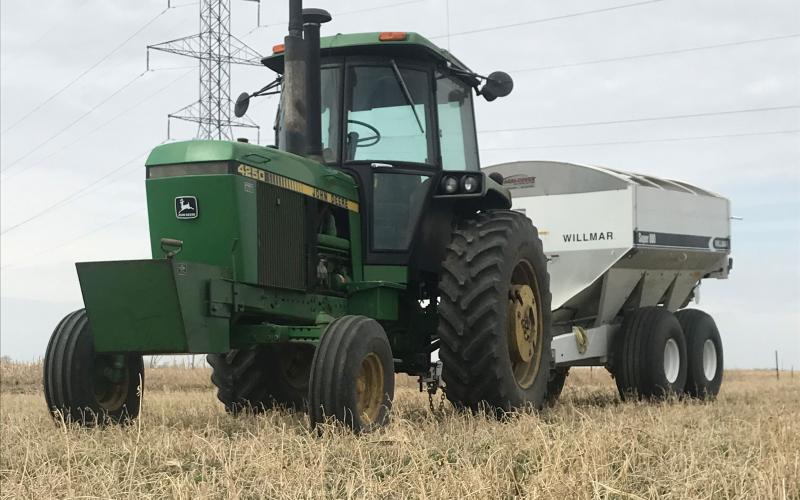
Fertilizing Forages in South Dakota
Spring is a busy time for South Dakota farmers and ranchers with planting, calving, and other field preparations. Soil sampling and fertilizing pastures, alfalfa, or other forages might be overlooked.
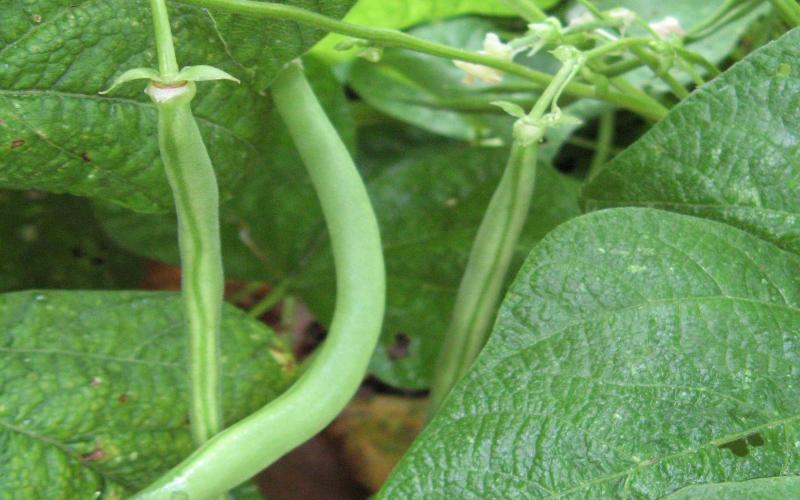
Green Beans: How to Grow It
Snap beans, also called “green beans” or “string beans” (although most modern varieties do not have strings) are harvested when the pods contain immature seeds, and the pods are still succulent.
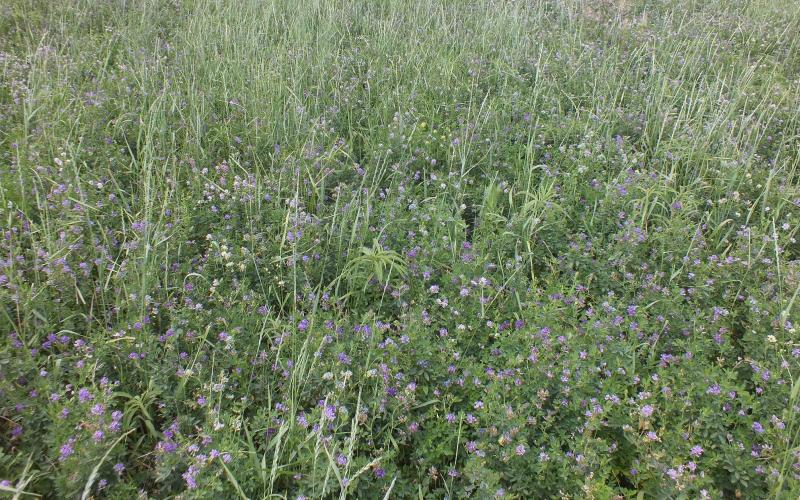
Precautions for Grazing Weevil-Infested Alfalfa
Alfalfa weevil populations are high this year, creating challenges for producers. Questions have arisen on how to get some value out of the forage by grazing it rather than putting it up for hay.
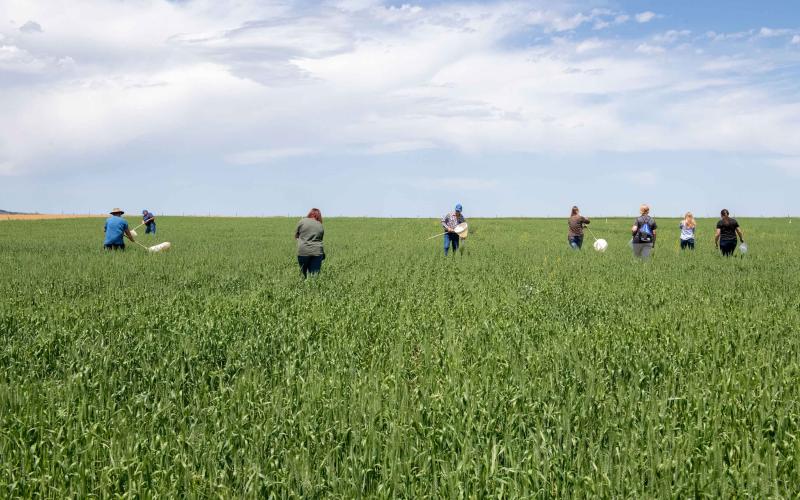
The South Dakota State University West River Research Farm to host Field Day on July 11
July 07, 2023
The South Dakota State University West River Research Farm Tour will be held on July 11 near Sturgis, South Dakota, running from 4 p.m. to 7 p.m.
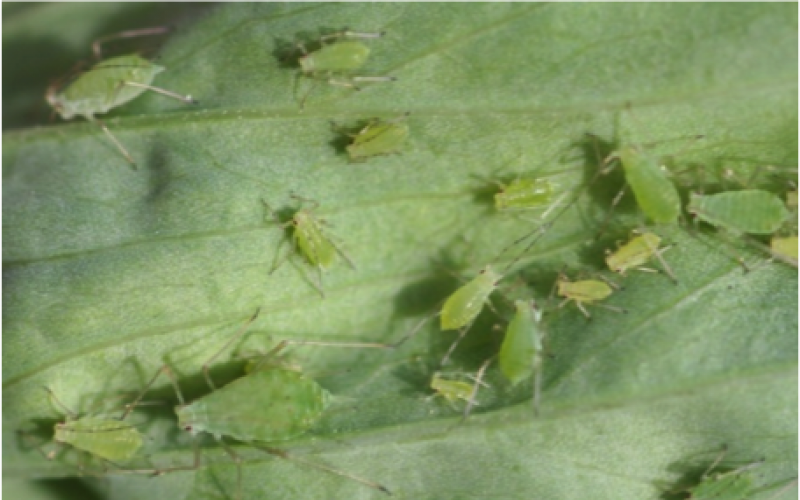
Soybean Aphids in South Dakota
Factsheet on Soybean Aphids in South Dakota
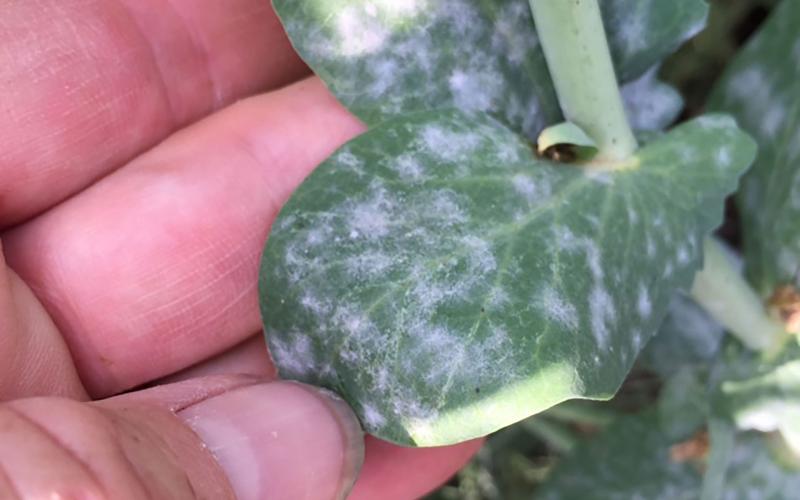
Powdery Mildew: A Disease Concern in Field Peas
Producers of field peas may need to scout for powdery mildew this year. Powdery mildew is a late-season fungal disease that can impact peas if weather conditions are conducive. However, this disease can also occur in early planted fields in South Dakota under the right environmental conditions and when the crop canopy is heavy.
An identification guide of common Diseases of Dry Peas in South Dakota
A guide depicting common diseases of Dry Peas in South Dakota