Search
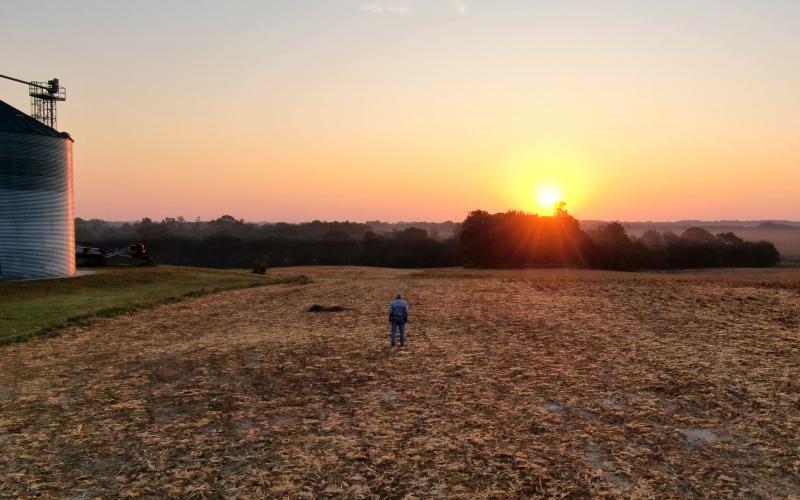
Crop Tolerance to Soil Herbicide Residual
Some herbicides can persist in soil, especially dry soil. Herbicide carryover could be an issue in 2021 across the state depending upon last year’s moisture levels and field conditions.

Wheat Streak Mosaic Developing in Winter Wheat Fields
A few winter wheat fields in central South Dakota have been found with wheat streak mosaic disease. Incidence of this disease varied from a few plants to large portions of the field with yellowing leaves.
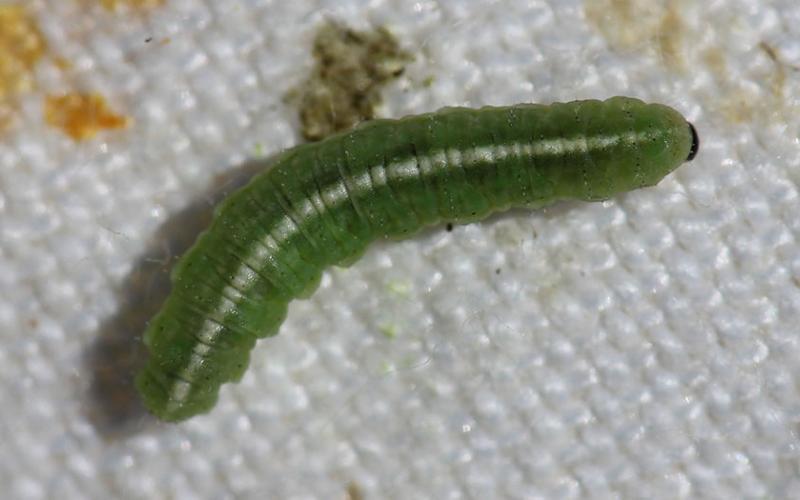
Alfalfa Weevil Activity Prediction Update: May 6, 2021
The cooler temperatures the last few days probably slowed down alfalfa weevils again, but everyone should be scouting fields due to the possibility of alfalfa weevil activity.
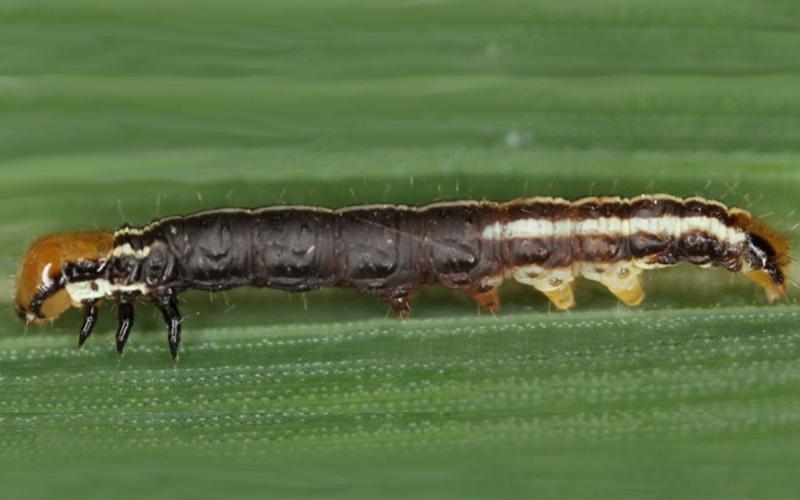
Common Stalk Borer Activity Estimate: May 6, 2021
We are beginning to accumulate degree days a little faster for common stalk borers. Eggs will be hatching through much of the state, and we will continue to monitor activity as the season progresses.
Alfalfa Weevil Activity Prediction Update: May 13, 2021
Although last week was warmer, we still didn’t accumulate a lot of degree days for alfalfa weevils. However, the upcoming forecast looks more favorable for alfalfa growth and alfalfa weevil development.
Common Stalk Borer Activity Estimate: May 13, 2021
The upcoming weather forecast looks warmer than the last few weeks, and that means we will begin to accumulate degree days for the common stalk borer at an increased rate.
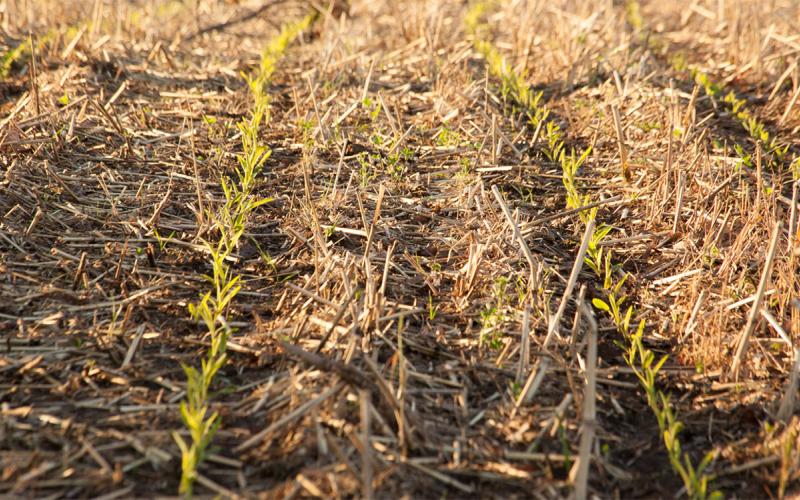
Estimating Corn Emergence With Growing Degree Days: Data from May 7, 2021
With corn planting well underway in South Dakota, the next step is monitoring its emergence. One of the factors that can speed up or delay corn emergence is air temperature.
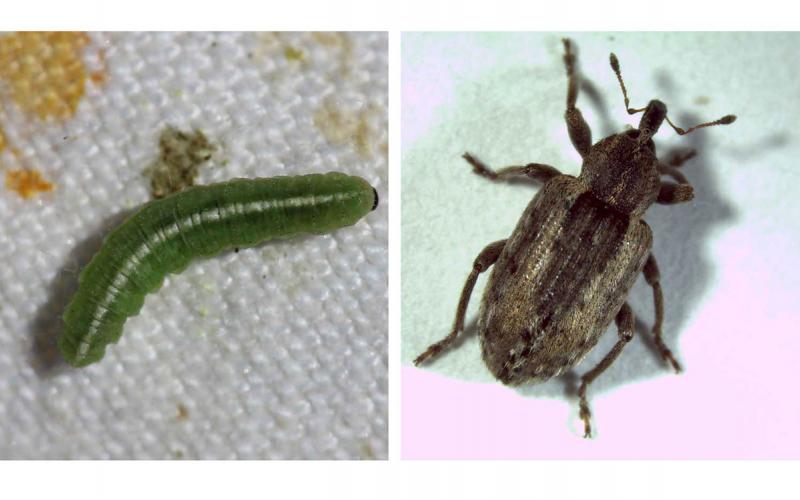
Alfalfa Weevils Are Active, and It’s Time to Scout
Scouting and managing alfalfa weevils when they reach the determined thresholds can prevent yield loss and encourage healthy regrowth of infested alfalfa stands.
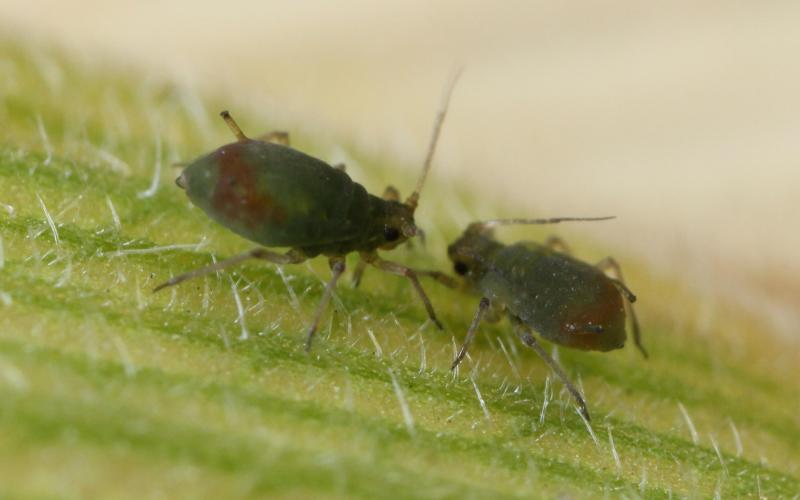
Small Aphid Populations Observed in Wheat
This week we received the first report of aphids in wheat for the 2021 season. The populations won’t be increasing rapidly until the daily temperatures warm up, but it is still a good idea to scout fields and determine if aphids are present.
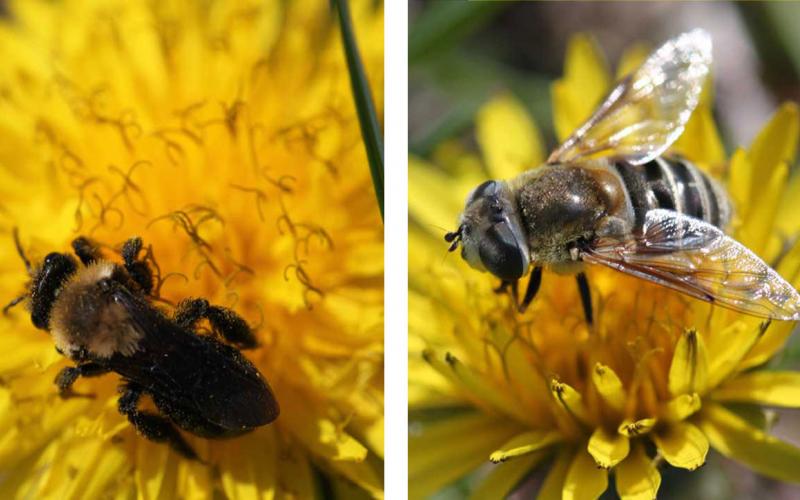
Should I Get Rid Of My Dandelions?
While there is much appeal to having a lawn that is free of other plants, there can be benefits. Some weeds that are sprayed out of lawns, including dandelions, can serve as early-season food sources for pollinators.