Search
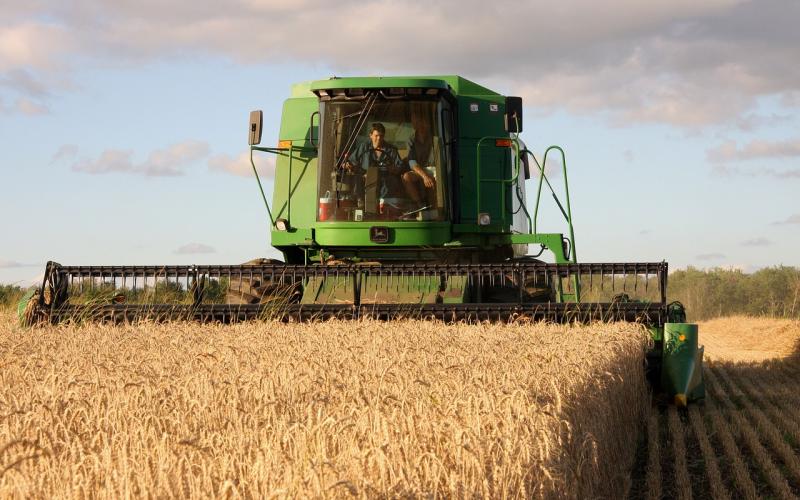
Factors Affecting Wheat Production Decisions: Producer survey findings
Recent USDA data shows that during the past 3 years acres devoted to wheat production continue declining in both South Dakota and North Dakota (USDA, 2018). South Dakota wheat acres experienced a remarkable decrease of 31.5% during the past 3 years, compared with a relatively mild drop of 16.4% by North Dakota.
Trade Impacts on Soybeans
Agricultural trade agreements were first established in the General Agreement on Tariffs and Trade (GATT), legal treaty signed initially by 23 nations in 1947. The purpose was to promote international trade by reducing barriers such as tariffs.
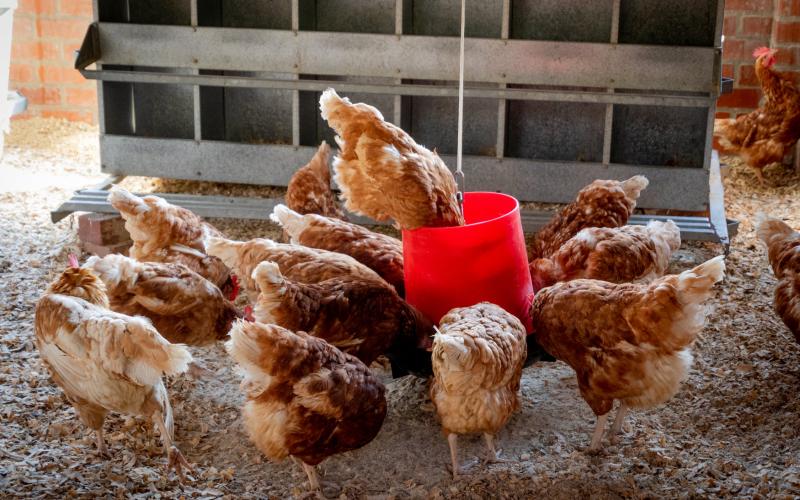
Tips for Feeding Poultry Wisely
During the March 1st Animal Care Wednesday Webinar, we learned the basics of feeding poultry. Brett Kreifels, Extension Assistant-4-H with University of Nebraska-Lincoln, explained the nutritional requirements and basic feeding tips to help ensure the health and well-being of chickens.
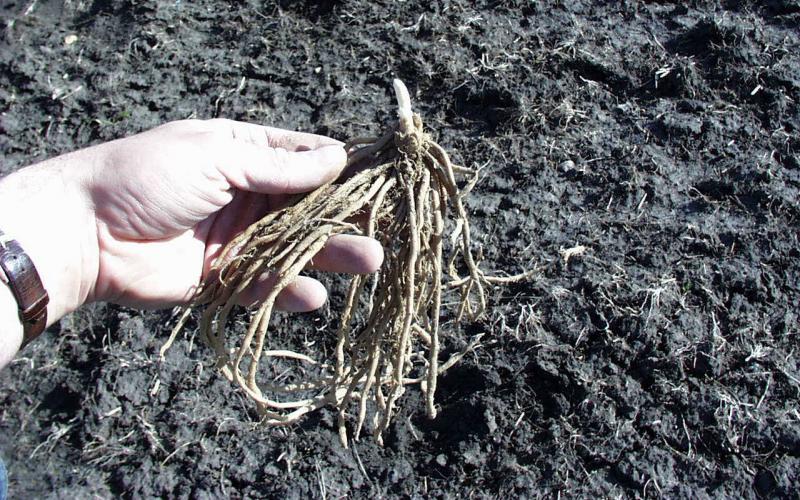
How to Plant Bare-Root Perennials
Many herbaceous perennial plants are sold as bare-root plants. A bare-root plant is just what it sounds like—a plant with bare roots and not growing in a container. Learn how to select, store, and plant these plants.
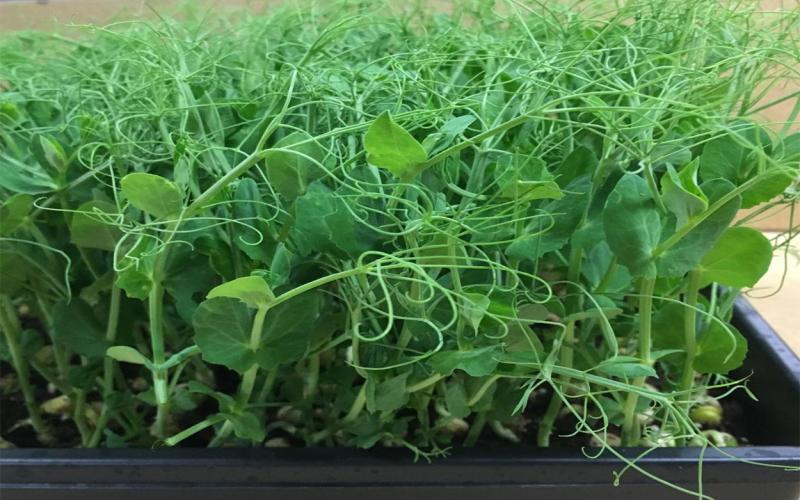
Growing Microgreens at Home
The fall through early spring season can provide an opportunity to grow certain food indoors. Growing microgreens can be an excellent way to add nutritious, fresh vegetables to your diet without taking up a lot of space in your home.

Plant Nutrient Analysis: Do your soybeans have the right stuff?
There has been a renewed interest in taking samples of soybean leaves for nutrient analysis as a quality control tool to ensure soil and the fertilizer programs are meeting the needs of the plant to eliminate nutrients as a yield limiting factor.
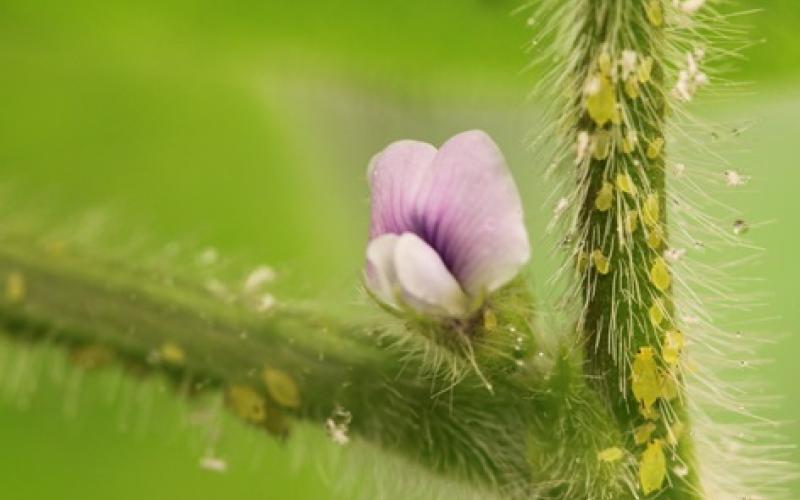
Why the 250 Threshold is Still Appropriate for Soybean Aphids
When gearing up for soybean aphid scouting, it is important to think about the population densities that warrant insecticide management.
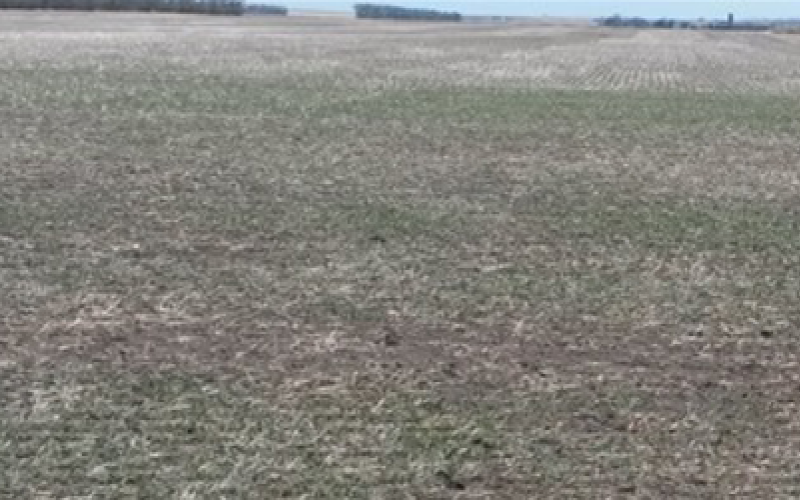
Split Application of Nitrogen in Winter Wheat
Adequate N early in the growing season is important to support healthy tillering and to give young plants the best opportunity to survive the sometimes-harsh South Dakota winter
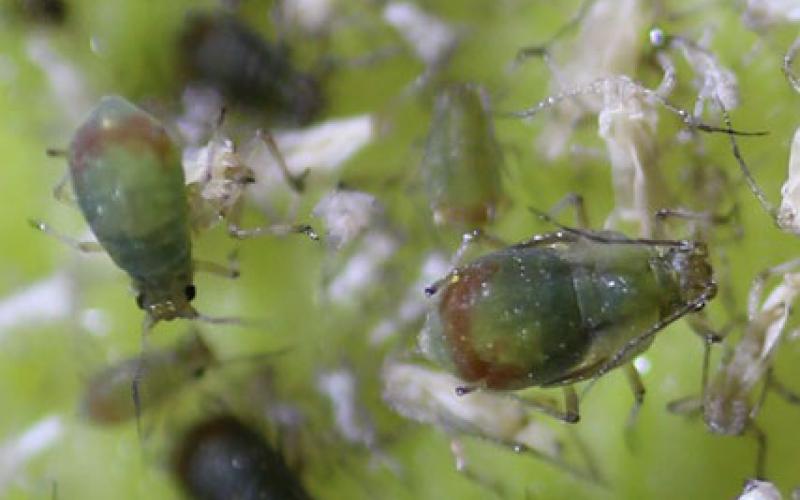
Scouting Winter Wheat for Aphid Pests
Although we cannot predict aphid pressure in winter wheat, there are measures that may be taken to reduce the risk associated with these insects.
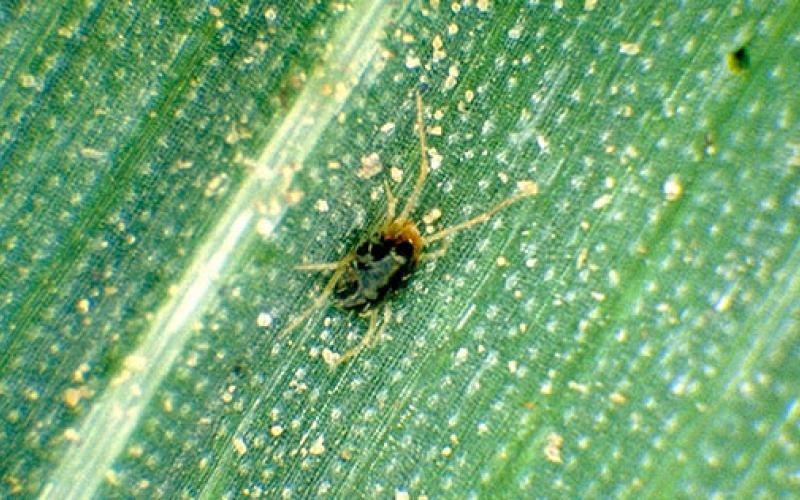
Scouting Winter Wheat for Mite Pests
Winter wheat planting is underway in South Dakota. After wheat emergence, it is important to scout for brown wheat mite and wheat curl mite populations.