Search
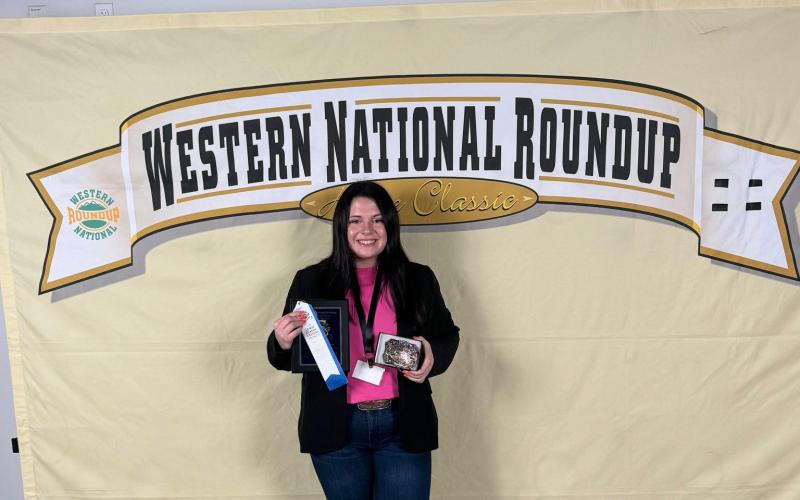
SDSU Extension 4-H members win at Western National Roundup
February 29, 2024
It was a strong showing for SDSU Extension 4-H members, including a grand champion finish for Delaney Zoss from Sanborn County, who won the horse division’s individual demonstration for her talk on equine color genetics.
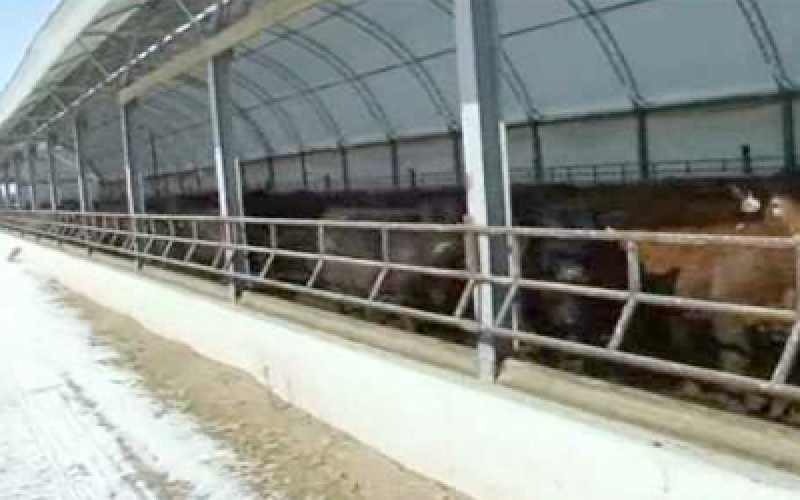
Are You Moving Enough Air in Your Calving Barn? Part 3: Ventilation requirements
Appropriate environments for calving barns are critical to give calves the best start when being born in cold weather. Calves require a dry, clean environment, with lots of fresh air and protection from the wind. A dry and clean environment is critical to avoid transmission of both scours and respiratory disease organisms, and this is primarily accomplished by providing clean bedding and proper ventilation.
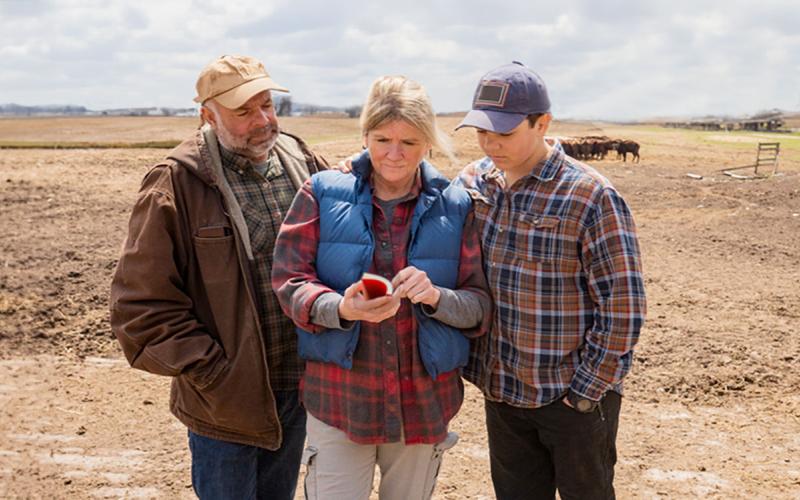
Calving Records 101
Complete and well-maintained calving records provide valuable information that can be used to improve and evaluate operations. Learn some expert tips for getting your records off to a great start this calving season.
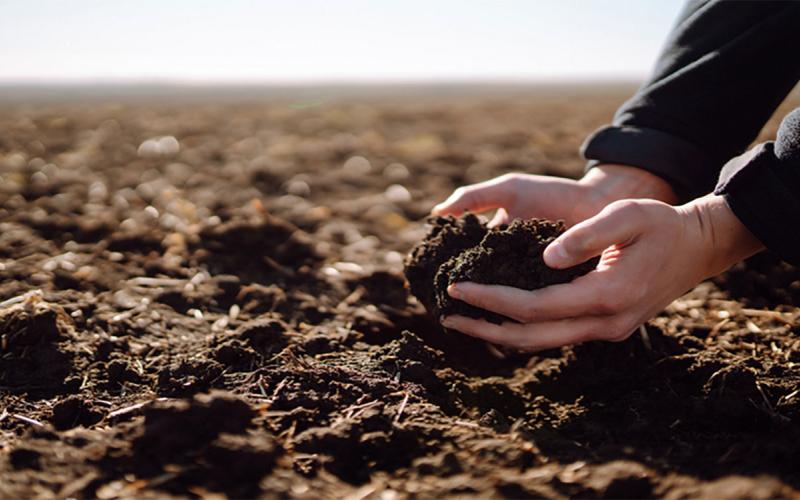
Carbon to Nitrogen Ratio of Healthy Soils
The ratio of carbon to nitrogen in the soil is essential for soil biochemical functioning. Learn some expert tips on managing soil to create an ideal ratio of these critical elements.
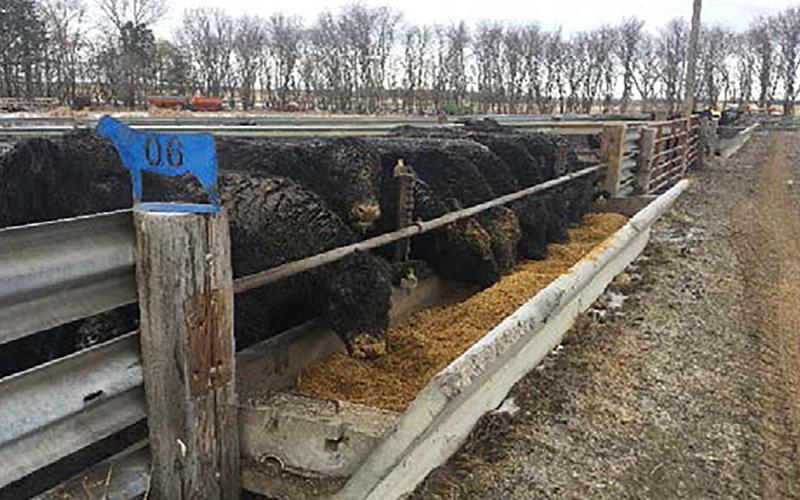
Case Study: Effect of Adding More Concrete to Open Pens
Mud caused by excessive precipitation dramatically reduces cattle performance. Pouring additional concrete and working on improving pen surfaces are approaches that can improve poor-weather performance in an open yard.
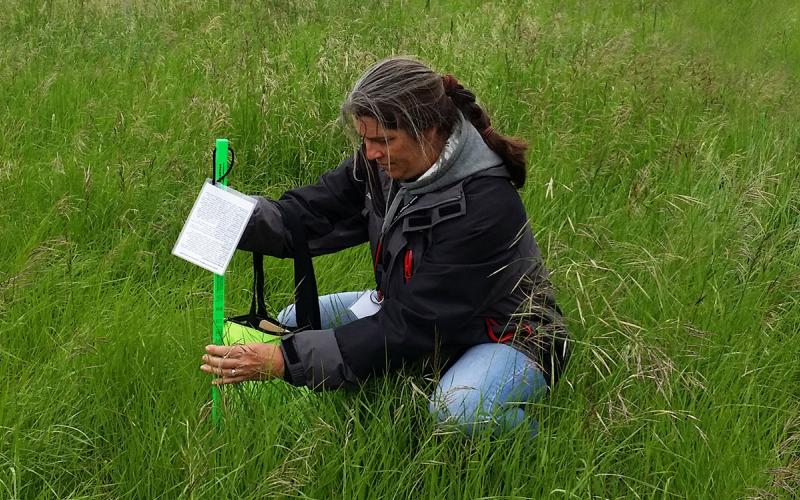
Using the ‘Grazing Stick’ To Assess Pasture Forage
Assessing pasture forage is a key step in planning grazing strategies. A grazing stick is a tool that uses simple math and measurements to determine herd size, stocking rates and available grazing days. We will address how to use a grazing stick in this article.
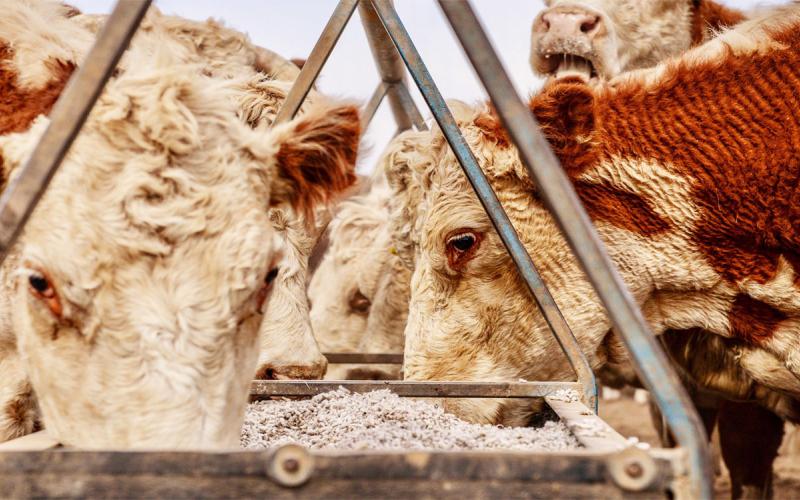
Livestock Tools for Managing Through Drought
As drought conditions continue, ranchers are faced with making some difficult decisions. South Dakota State University Extension offers multiple tools and resources that can be used to help make the best management decisions for your operation.
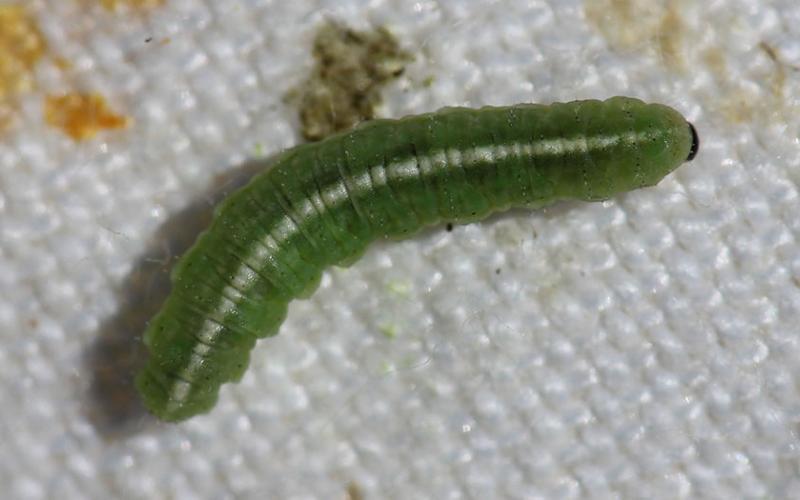
Alfalfa Weevil Activity Prediction Update: May 27, 2021
Alfalfa weevil activity is still being reported across much of the state. Although the degree day estimates for South Dakota indicate that much of the state has populations that are pupating, these estimates are not accurate. Scouting should continue throughout South Dakota.
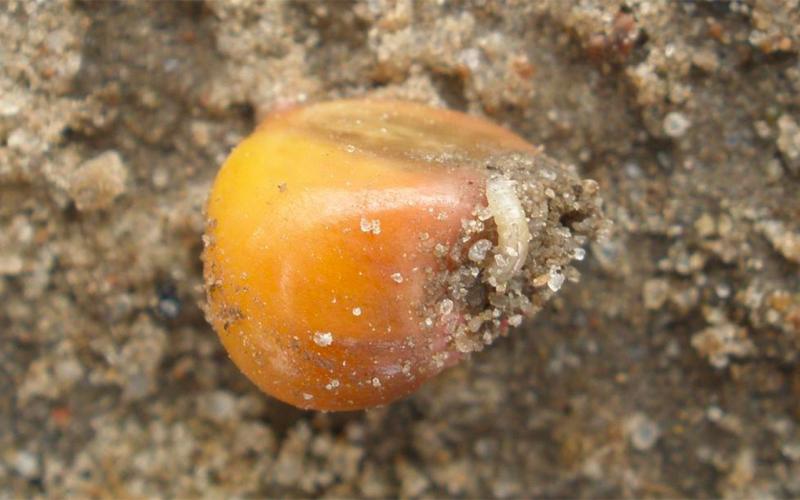
Seedcorn Maggot Degree Day Activity Estimates: May 27, 2021
In South Dakota, we have accumulated enough degree days across the state that the peak emergence of the overwintering seedcorn maggot population has passed. In most of South Dakota, we are at peak emergence of the second generation or slightly past it.
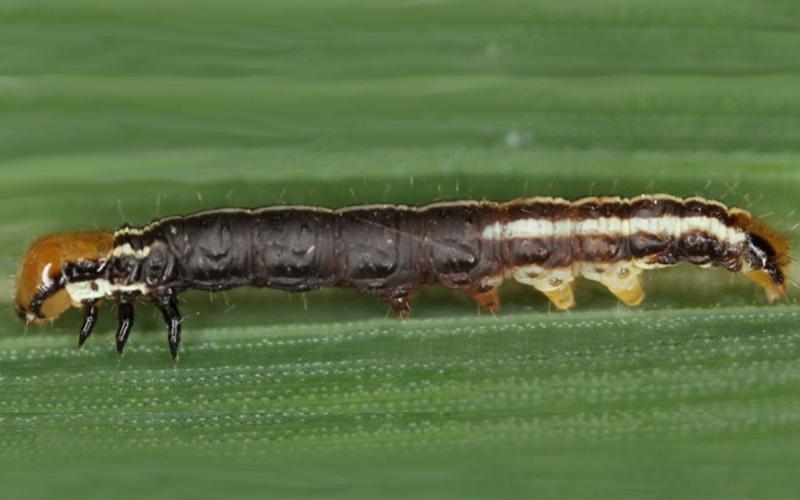
Common Stalk Borer Activity Estimate: May 27, 2021
Throughout South Dakota, we still haven’t accumulated enough degree days for common stalk borers to begin moving into corn, which is a good thing. At this point in time, common stalk borer activity is still going to be limited to weeds and grassy weeds.