Search
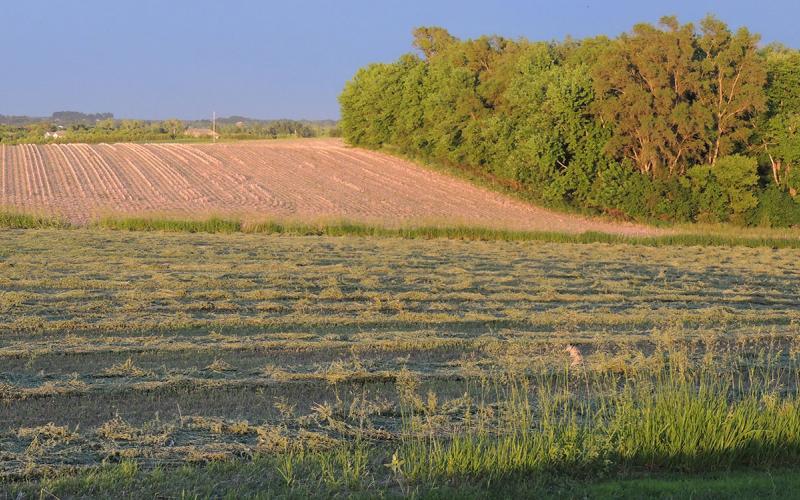
Forage Resources for South Dakota Farmers and Ranchers
Producers often have difficulties locating fellow producers to buy, sell or rent forages and grazing acres too. South Dakota now has two widely recognized, free resources to aid in these connections.
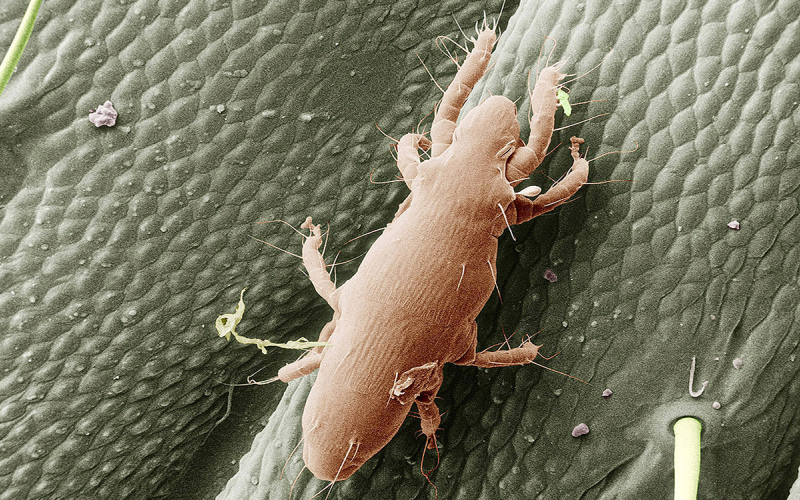
Straw Itch Mites
Straw itch mites, also known as hay mites or grain mites, can be a major problem when present in hay or grain. The best way to avoid a straw itch mite infestation is to keep commodities at low moisture levels and bale straw when it is thoroughly dry.
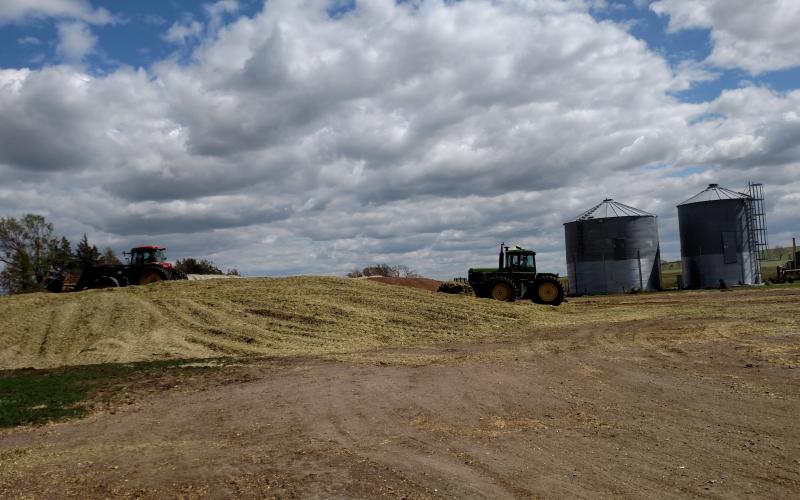
Salvaging for Silage: Tips to Minimize Loss, Maximize Value
August 09, 2021
With South Dakota rangeland and pastures rated 84% poor to very poor across the state, many cattle producers may be thinking about putting up silage for a feed source.
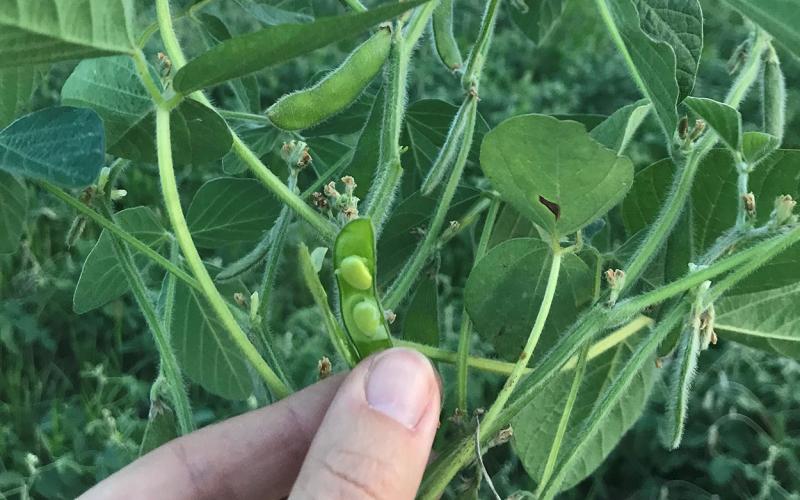
Salvaging Drought-Stressed Soybeans as Feed
One of the more popular questions we’ve been receiving lately involves using soybeans as forage. Although the soybeans planted for grain are not typically bred for forage use, we can salvage the crop for said forage if need be.
What’s Important to Know About Silage Additives & Inoculants?
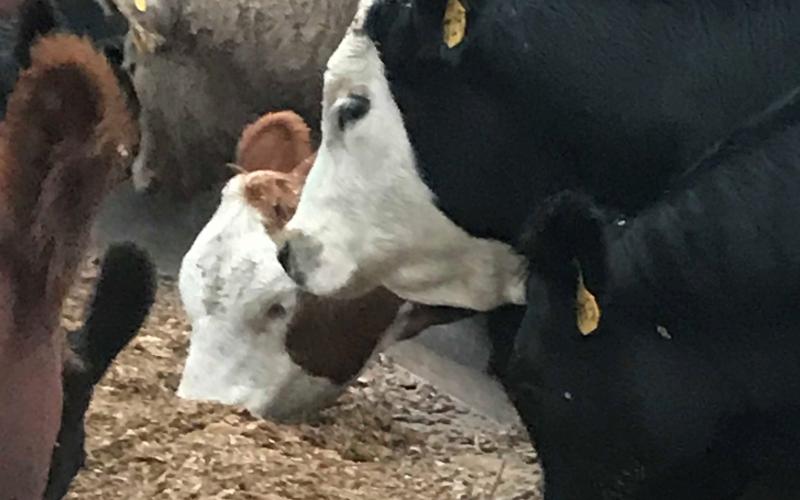
Corn is suited to preservation as silage. Silage additives can be used to remedy deficiencies such as lack of sufficient population of bacteria to support adequate fermentation, and low levels of fermentable carbohydrates.
Be Careful Grazing the Green this Fall
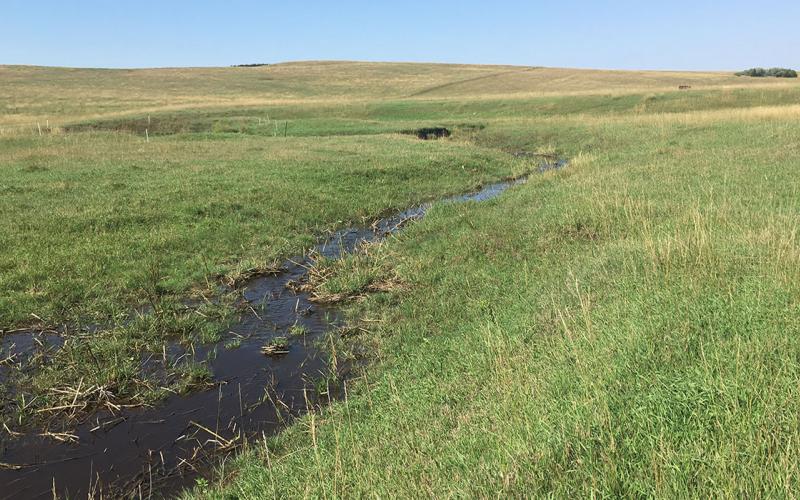
With fall grazing on the horizon, nearly all of South Dakota is still experiencing drought conditions. Regardless of where your ranch is located, a rancher must be very careful when grazing the fall green-up of cool-season grasses.
Round Bale Storage Conservation
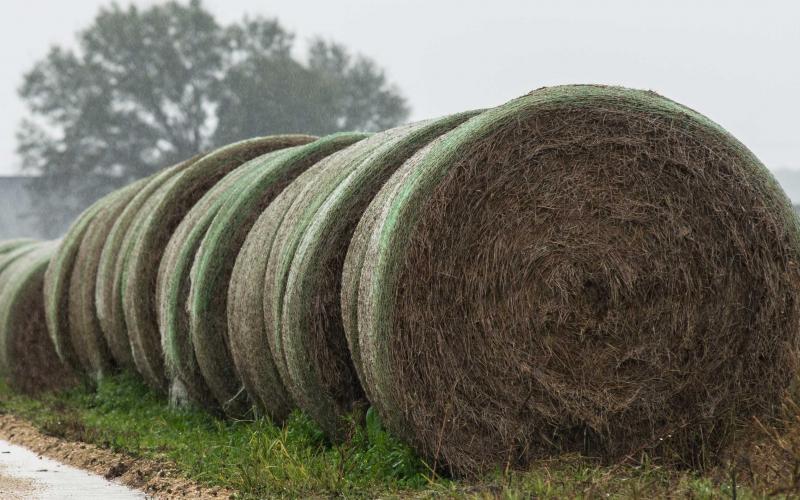
Fact sheet discussing conservation of round bale storage.
Harvesting Silage on a Wet Year: Moisture is Critical
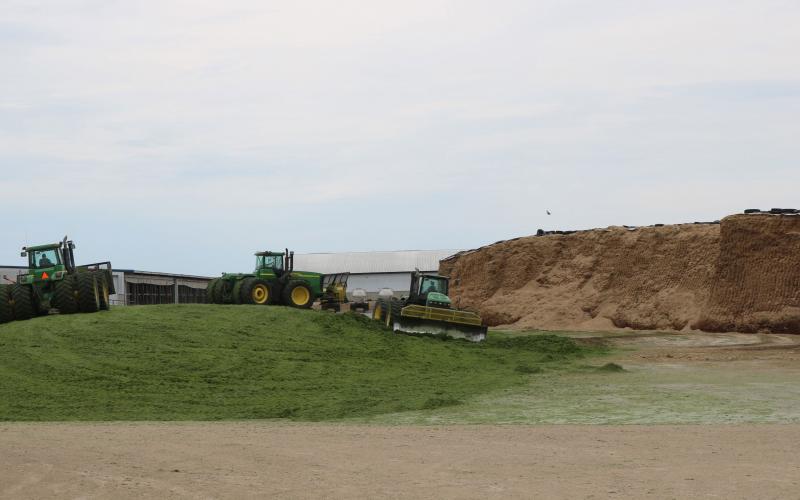
Fall is on its way in South Dakota. However, with many flooded and saturated fields, some producers are growing concerned that there will be little opportunity to harvest silage before corn dries down past desired moisture levels or frost occurs.

Harvesting High-Moisture Corn and Earlage
Producers who raise both corn and cattle have the option of harvesting some or all of their corn acres as a high-moisture grain crop to be marketed through cattle. There are several advantages to harvesting corn earlier at a high-moisture content.
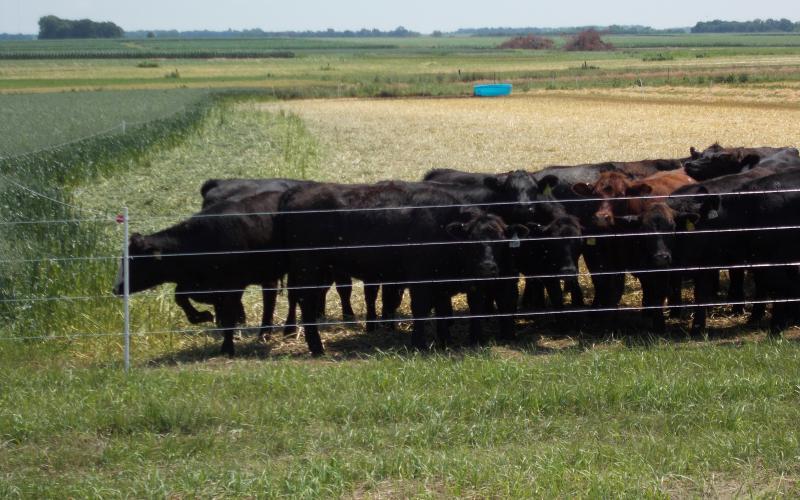
Weaning Calves on Cover Crops
What do we do if it is time to wean calves, but the pen isn’t ready? That can be a real concern during wet fall seasons, such as 2019. Putting calves into muddy pen conditions is far from desirable, but holding calves on the cows deep into fall increases the risk of adverse winter weather and tends to pull body condition off the cows.