Search

Native Plants for Bird Habitat in South Dakota
South Dakota has a range of habitats that support many bird species, and native plants play an important role in all those habitats.
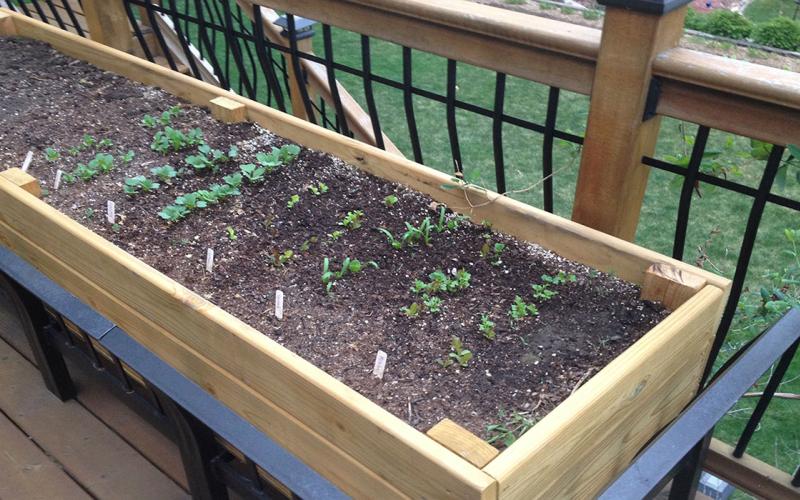
Gardening in Raised Bed and Containers in the Northern Great Plains
Fact sheet for anyone interested in gardening in raised beds or containers, especially those that may have limited space or of various physical abilities.
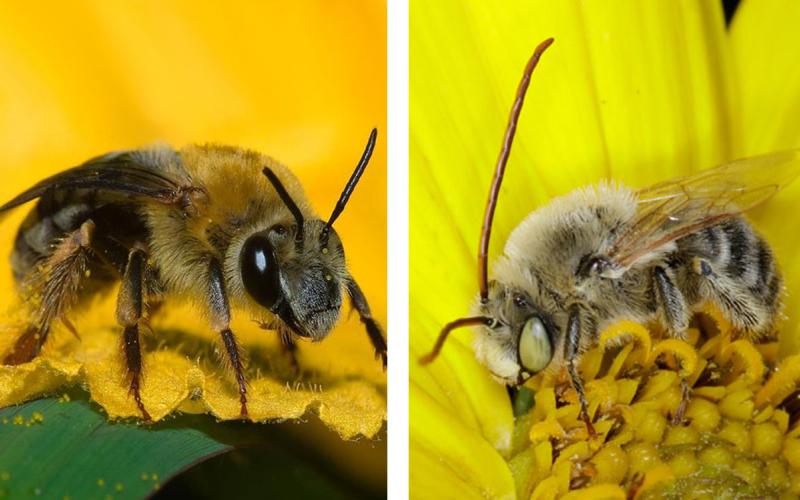
Beneficial Pollinators: Squash Bees and Long-Horned Bees
South Dakota is home to more than 400 species of native bees. In this article, we will highlight the squash bee and the long-horned bee, two beneficial native pollinators.
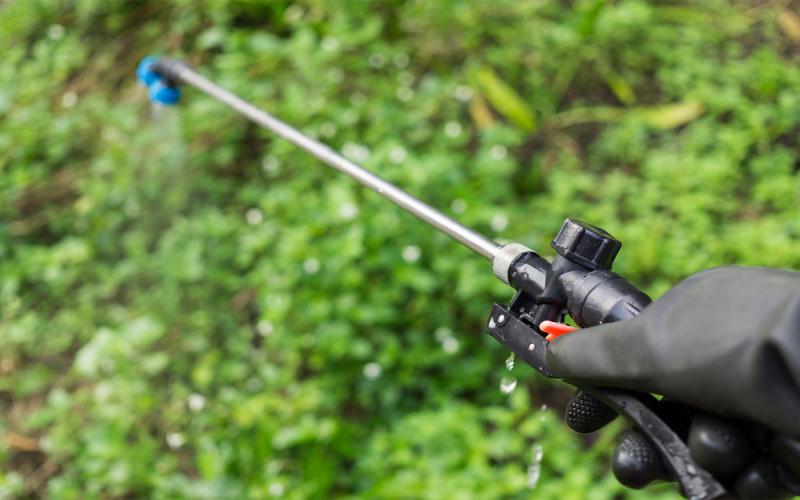
Organic Herbicides: Garden and Flower Bed Weed Control
Many South Dakota homeowners do not want to use inorganic or synthetic herbicides due to potential health impacts. Organic herbicides can be a useful tool for weed control when combined with other management practices.
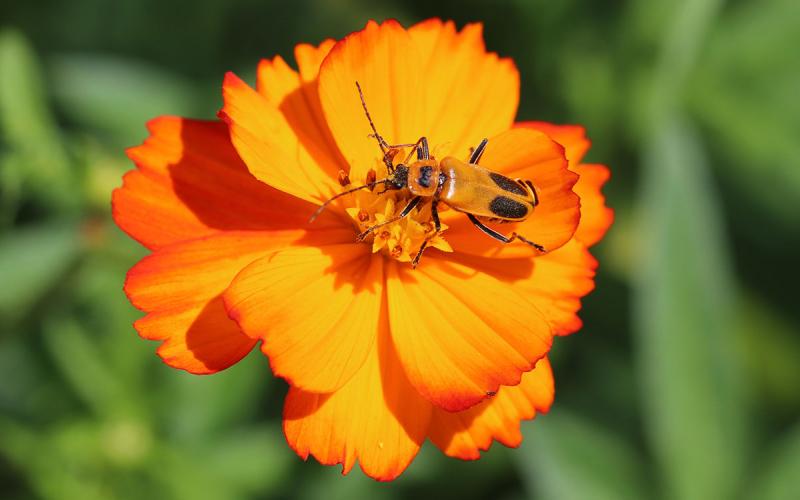
Soldier Beetles Visiting Flowers
Flowers in many gardens are currently being visited by soldier beetles. While these orange beetles have a strong preference for flowering plants, they are predators and pollinators and don’t pose a threat to your garden.

Organic Gardening: Soil Management
Gardeners throughout South Dakota are experimenting with organic gardening. While the adoption of organic gardening methods can be daunting, learning some fundamental soil management concepts will set the foundations for success.
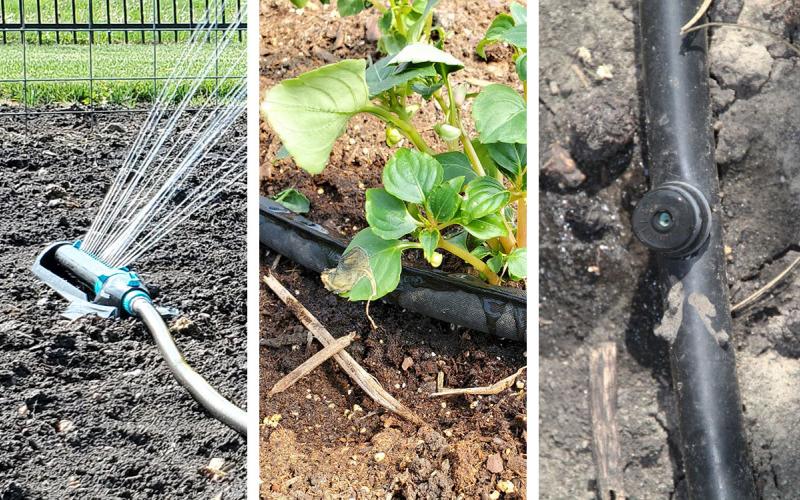
Options for Watering Home Gardens and Landscape Plantings
Ensuring that your garden plants receive adequate water throughout the growing season does not have to be overwhelming. There are a variety of water management options available to make the process easier.
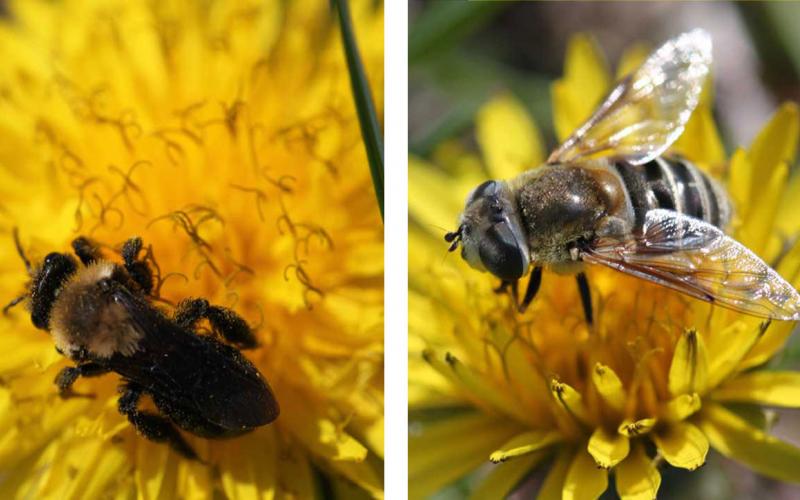
Should I Get Rid Of My Dandelions?
While there is much appeal to having a lawn that is free of other plants, there can be benefits. Some weeds that are sprayed out of lawns, including dandelions, can serve as early-season food sources for pollinators.
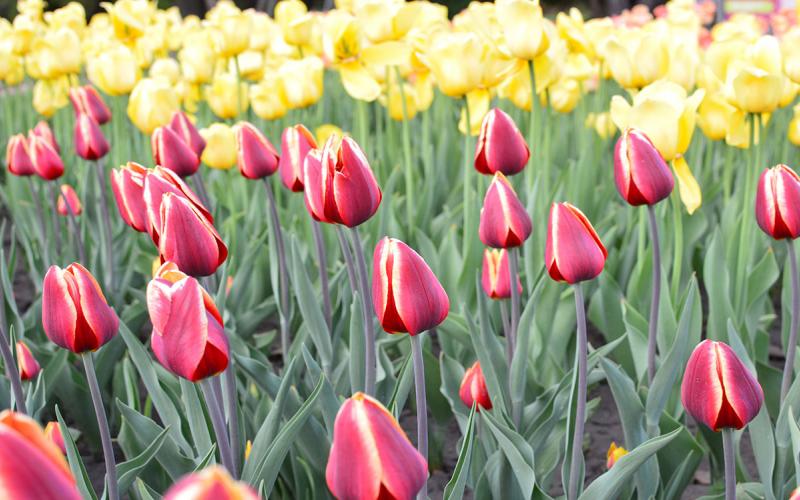
Tulips Bring Early-Season Color to the Garden Each Year
Nothing says “spring is here” quite like the annual tulip bloom! Late April and early May are great times to enjoy a wide pallet of colors and textures presented by over 100 known species of garden tulips.
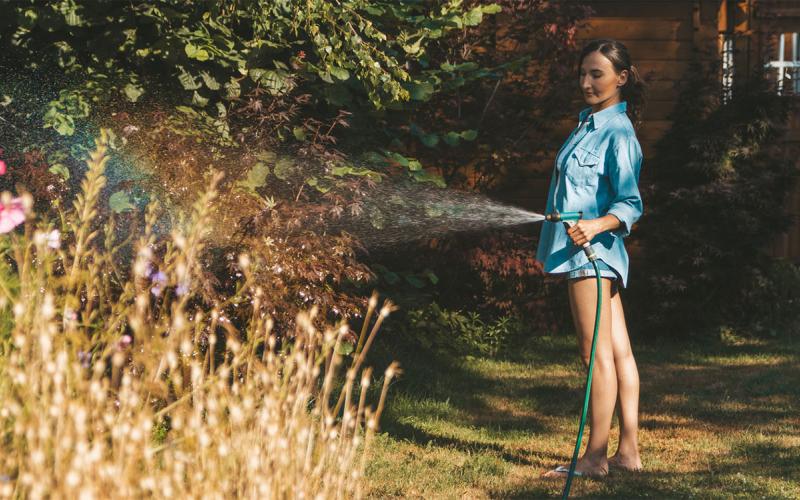
Gardening Tips During a Drought
Drought conditions present challenges for gardeners, but it's still possible to grow things by modifying gardening techniques to keep established plants growing and provide a good environment for new plants.