Access to books is perhaps one of the most important contributors to literacy development, yet for many members of our rural communities, books are neither plentiful nor easy to acquire. The term “book desert,” first introduced by Unite for Literacy, describes this phenomenon (2024). In the study that popularized the term, titled Book Deserts: The Consequences of Income Segregation on Children’s Access to Print, authors Susan B. Neuman and Naomi Moland define book deserts as geographic areas where people might have little to no access to print materials (2016). Their research delves more deeply into factors that cause book deserts. Their focus was specifically on children’s literature available in urban neighborhoods, where they found that income segregation shapes access to books, with low-income neighborhoods often having dramatically fewer opportunities to purchase or borrow children’s books (Neuman & Moland, 2016). While much of this early research into book deserts focused on urban communities, the concept applies just as urgently to rural areas, where geographic isolation can exacerbate economic differences.
In the more-recent article The Nationwide Effort to #Endbookdeserts, author Dr. Molly Ness extends the conversation, emphasizing that book deserts are indeed a national issue requiring coordinated, community-based solutions (2022). Without immediate access to print materials, children can miss out on reading practice that builds vocabulary and reading comprehension (Ness, 2022). When looked at over longer periods of time, these missed opportunities to engage with books widens educational gaps and achievement.
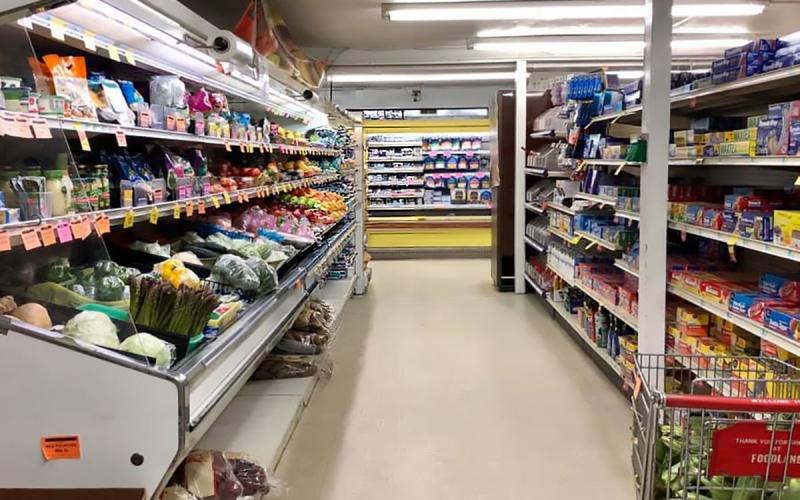
While a great deal of research has been done on book deserts in urban areas, the consequences are nonetheless apparent in rural communities as well. Families may often live many miles from the nearest public library or bookstore. Schools, while usually maintaining a library, are often closed over the summer. Transportation barriers exist as well, making a spontaneous trip to visit a library or pick up a book unrealistic. While digital resources may provide a solution for those savvy with e-books, broadband access can be inconsistent, limiting the usefulness of these resources as a long-term alternative. Even when communities are rich in their social capital and strong relationships with one another, there may still yet exist a lack of physical printed material. Because literacy is foundational for areas like educational achievement, social engagement, and development of the workforce, addressing book deserts in rural areas should be practical and community-driven. Fortunately, our rural communities are positioned well to innovate some feasible solutions.
One potential approach engages readers of all ages by cultivating a local book club. Organizing book clubs for both youth and adults can make reading a fun, shared social experience. When reading is something that is visible and celebrated, it shows all members of the community that literacy is valued. Such clubs can reduce the stigma that suggests reading is just an isolated hobby, build momentum and excitement surrounding written material, and model positive reading behaviors for children in the community.
Another potential strategy is expanding access points for book distribution. Rather than relying on a public library, which many smaller rural communities may not have, communities can partner with local institutions such as churches, community centers, or other social hubs to host small collections of books. By placing books in locations where people are already prone to gather, it can help reduce barriers that spring up due to transportation.

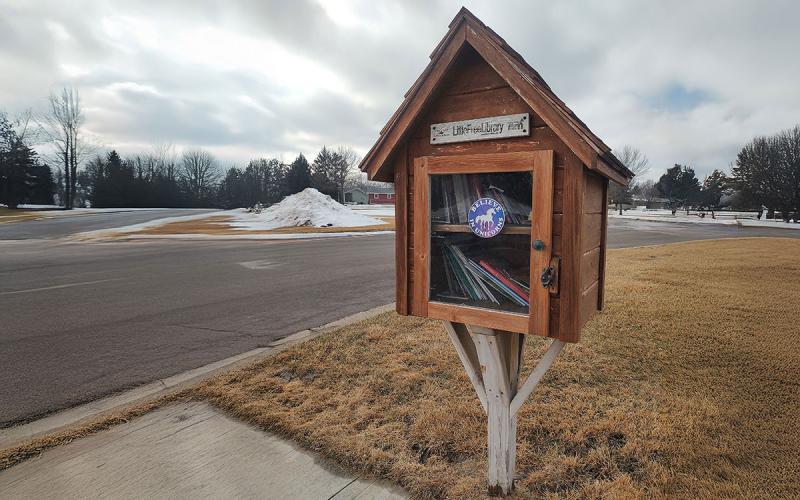
There are also some grassroots options to addressing book deserts such as Little Free Libraries (2026). Little Free Libraries offer a low-cost, community-driven solution to managing lack of printed materials. They host small collections of books that can be used by the public, and are often installed in neighborhoods, near playgrounds, or adjacent to community gathering hubs. Their stance on “take a book, leave a book,” helps to foster community ownership and involvement (Little Free Libraries, 2026). Along a similar vein, book vending machines that could be placed in schools or community gathering spaces offer another engaging way to distribute books.
Finally, expanding the reach of bookmobiles can be yet another way to combat growing book deserts. Mobile libraries help bridge transportation barriers, and can act as a portable third space. By traveling to remote areas on specific schedules, they can bring both books and library programs out to rural areas. Pop-up literacy events, story times for children, and partnerships with local schools or senior centers are just a few opportunities that can be made available by implementing a bookmobile route.
Addressing book deserts in rural communities ultimately requires recognizing that acquiring books is not an accidental process. It is shaped greatly by geography, economics, and policy. By fostering a culture for reading, placing books into community spaces, and partnering with libraries to extend their reach, rural communities can transform book deserts into book-rich environments.
References
- Little Free Library (2026). About us.
- Ness, M. (2022, December). The nationwide effort to #endbookdeserts. Equity & Access: American Consortium for Equity in Education.
- Neuman, S. B., & Moland, N. (2016). Book deserts: The consequences of income segregation on children’s access to print. Urban Education, 54(1), 126-147.
- Unite for Literacy (2024). Are you living in a book desert?.