When you think of a library, you can probably smell the books that have been in the collection for decades along with the wooden shelves that they sit on. You can hear the silence that emanates throughout the building, reminding you that you, too, must remain silent in respect for the other patrons. The librarian is sitting behind a desk that is covered with books to restack and watching people read newspapers, flip through magazines, or search for things at the bank of computers. If this is the library that you picture, then you haven’t been in a library for a long time!
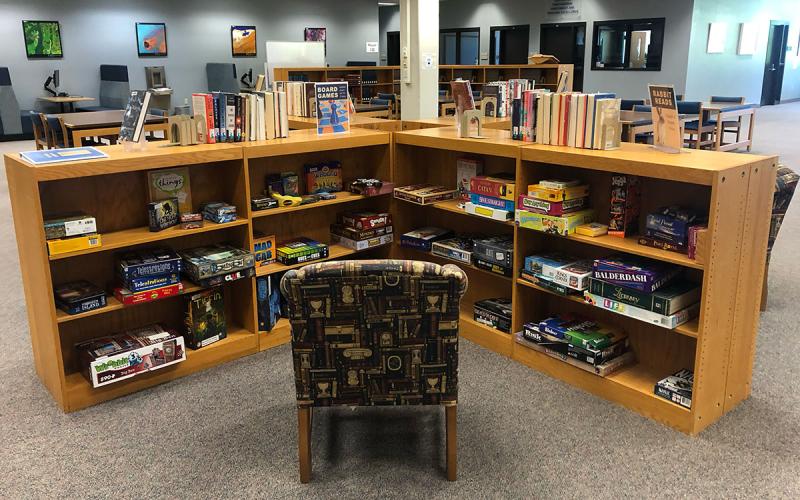
Libraries no longer only carry books and periodicals; guests can find all sorts of items to check out to enhance their lives. Those things can include items like kitchen utensils, games, craft kits, technology components, tools and recreation items such as tents or kayaks! These items are collectively called a Library of Things, and people can check them out with their library cards. According to the Peoples Hub, a Library of Things is designed to reduce waste, encourage sharing, and allow people to have access to new things.
Although there have been tool lending libraries for decades, the first official Library of Things in the United States was founded Portland Oregon in 2012 by a group of community members that wanted to be able to share tools and try out new things. It didn’t take long to catch on across the country. In fact, the Lemmon Public Library in Lemmon, SD has a Library of Things that people from all over the area use. In the Lemmon Library, Librarian Raven Christman is always looking for new items to add to her Library of Things, and the community welcomes this practice with open arms. Some of the most obscure items that Christman has to lend out are kayaks, SD Park passes, and a dance floor! Most of the items in Lemmon’s Library of Things were purchased with local or national grant money. The newest item in the library is a set of hot spots. The Lemmon Library was one of two libraries in the state of South Dakota to receive a grant from AARP and South Dakota State University Extension for ten hot spots that can be lent out in a trial program. The program lasts one year, and at the end of the year, the library can decide if they would like to purchase the hot spots to keep as their own. According to SDSU Extension, “about 1 in 5 households in South Dakota don’t have an internet subscription.” They are hoping that the hot spot lending program can help families stay engaged in school, search and apply for jobs online, stay connected with friends and family, and access vital services (SDSU Extension, 2026). Christman says “the hot spots are very popular!” Not everything in Lemmon’s Library of Things is universally useful or sought after, but that isn’t a bad thing. Much like books in a library, Christman has a handful of event specific items on hand that don’t get checked out as much, nevertheless, they are there for the people that want (or need) to borrow them. Some of these items include ukuleles and a glass punch bowl. It is helpful for libraries to “gather a collection of extremely, but only occasionally, useful items [so there is] no need for everyone to buy their own” (Benedictus, 2019).
People are familiar with the basics of libraries. They are accustomed to checking out library materials for a given amount of time and understand due dates, renewal of loans, and late fees. These are all still relevant in a Library of Things, but the library may have different due dates and lengths of time for loans of Things than for books. For instance, the SD Parks pass that Lemmon Library lends out must be returned in 3 days’ time so other community members have a chance to use it as well.
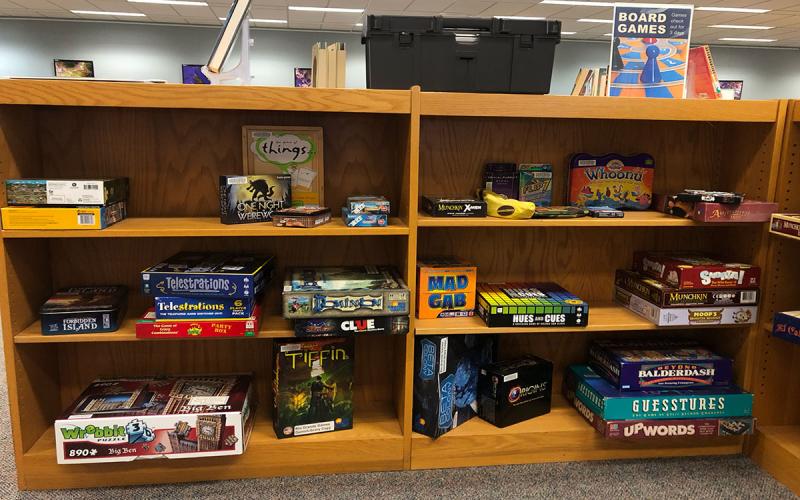
It is easy to start a Library of Things at your local library. Christman suggests that you “start small, meet a need, and grow with your community!” Make a needs list of items that you think would benefit your community to have on a lend out basis. This list might include items such as weed trimmers, pickle ball paddles, or a pressure canner. The library can also start with basic and inexpensive items. According to Christman, puzzles, board games, and frisbees are regularly checked out. A library can begin a collection with donations from individuals to keep costs low. It can also publish a wish list, so community members know what the library is looking to add to their Library of Things.
Christman has a tool library on her future wish list. Tools are expensive items that people like to check out because they generally only need to use them for one project, and it doesn’t make sense for the individual to buy the tool if they can check it out from the Library. If a tool isn’t available to borrow, people often “spend money on a tool that will hardly use, or you give up” (Benedictus, 2019). If you have something that you think would be great in your local Library of Things, ask your librarian if they would accept it as a donation. Libraries can look for grants in their area for larger and more expensive items or reach out to some neighboring libraries to find out how they found money to add to their Library of Things. It is important for librarians and their library boards to think outside the box when choosing what items to add to the Library of Things. Not only should they choose items that the community is asking for or has a need of, but they should also choose things that might expand their patrons’ horizons. “Sometimes you'll buy something you think everyone will want, and it turns out they don't. Don't let that discourage you. It's not a fail, it's a "we tried". If an item isn't being used, you can always find it a new home with another library, school, or community organization,” say Christman.
In many ways, today’s libraries still serve the same purpose they always have, connecting people with the resources they need, but the definition of those resources has expanded in exciting and meaningful ways. Whether it’s borrowing a kayak for a weekend adventure, a hotspot for staying connected, or a simple board game for family time, these collections enrich lives in practical ways. As libraries continue to grow and adapt, they remind us that progress doesn’t require abandoning tradition, it simply means building on it. In doing so, the library remains not just a place to visit and check out a book, but it is a vital and ever evolving part of the community.
References
- SDSU Extension and AARP South Dakota Rural Library Hotspot Lending Program. South Dakota State University Extension, 29 Apr. 2026.
- Library of Things. The People’s Hub. Accessed 5 June 2026.
- Library of Things. Range Community Library. Accessed 5 June 2026.
- Christman, Raven. Personal interview. 5 June 2026.
- Benedictus, Leo. Library of Things: Why Borrowing Is Set to Conquer the World. The Guardian, 24 Apr. 2019.