Written collaboratively by Lorna Saboe-Wounded Head; Jenny Abel, University of Wisconsin-Madison; Sara Croymans, University of Minnesota Extension; and Laura Hendrix, University of Arkansas Cooperative Extension.
While no one wants to think about disasters, odds are you might one day be faced with something unexpected–a flood, wildfire, hurricane, landslide, or tornado–that forces you to either evacuate your home or to stay there for an extended period. Being prepared for the unexpected can give you peace of mind.
Emergency Kits and Locations
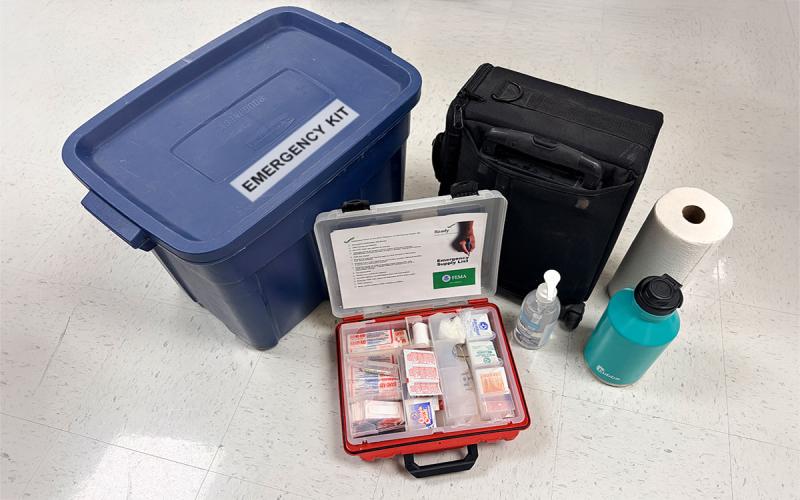
We do not know where we will be when an emergency occurs, so prepare supplies for:
- Go Bag - Leave from Home: This kit should include necessities and be stored in a “grab and go” container to take with you in case of evacuation.
- Car Kit - Vehicle: If disaster strikes and you are unable to return home, keep a kit of emergency supplies in your car.
- Stay Bin - Shelter at Home: Keep these supplies in a designated place so you will have them if needed. These supplies are in case you are unable to leave your home and may not have electricity or other utilities.
Go Bag
A go bag should be kept in the home and used in case of evacuation. Go bag items may include:
- Change of clothing for all family members.
- Rain gear.
- Water and food for people and pets:
- Enough for up to three days.
- Select non-perishable items, like energy bars, dried fruit and nuts, cereal, crackers, powdered milk, jerky, peanut butter.
- Cups, plates, utensils, paper towels, can opener.
- Blankets or sleeping bags.
- Activities for children – books, games.
- Pet supplies, vaccination records, medications.
- Children’s immunization records.
- Passports.
- Stored in fireproof/waterproof file box or electronically on phone:
- Birth certificates.
- Copies of prescriptions.
- Contacts and policy numbers for auto, home, and health insurance.
- Contacts and account numbers for utilities and bank accounts.
- Save doctor/pharmacy contacts on your phone.
- Have prescription medications nearby to grab on your way out of the home
- Cash in case stores cannot accept credit cards due to power outages.
- The exact amount will depend on your family size and the length of time you expect to be away from your home, but a general rule of thumb is $50-$100/day to cover food, gas, and potentially lodging.
- Be sure to keep the cash in a lockbox or other place that would make it difficult for thieves to access.
Car Kit
If you do not have a vehicle or are concerned about auto theft, store these items in your Grab and Go evacuation kit:
- Flashlight with extra batteries.
- Safety light sticks.
- Emergency Blanket.
- Tarp.
- Duct tape.
- Trash bags.
- Matches in waterproof containers.
- Whistle with lanyard to signal for help.
- N95 or KN95 face masks.
- Emergency weather radio (battery or hand crank).
- List of emergency contacts (hard copy in case phone is not working).
- Personal hygiene supplies.
- First aid supplies.
- Emergency food and water (see Go Bag section for specific recommendations).
- Paper and pencil.
- Maps.
- Phone charger.
- Charging block.
- Contact numbers for utility companies and insurance providers saved in your phone.
Stay Bin
The contents of your stay bin can help ensure your household can remain safe and comfortable if cut off from outside help. By preparing now, you give your family peace of mind and the ability to weather an emergency with confidence.
Essentials for Your Stay-Bin
Experts recommend storing at least a two-week supply of basics. Tailor the list below to your household’s unique needs.
Food
Keep at least a two-week supply of nonperishable food.
- Choose items that:
- Do not require refrigeration or much cooking.
- Come in single-meal sizes to reduce waste
- Match your family’s preferences and dietary needs.
- Examples:
- Ready-to-eat canned fruits, vegetables, and meats (tuna, chicken, Vienna sausage).
- Peanut butter, crackers, granola bars, nuts, dried fruit.
- Comfort foods like cookies, hard candy, tea, or instant coffee.
- Infant formula or foods for babies, elderly adults, or those on special diets.
First Aid Supplies
Keep a well-stocked kit that includes:
- Adhesive bandages, gauze pads, roller bandages, tape.
- Antiseptic wipes, antibiotic ointment, soap.
- Tweezers, scissors, safety pins, gloves.
- Pain relievers, antacids, anti-diarrhea medicine, sunscreen.
- Prescription medications and extra eyeglasses/contacts.
Sanitation and Hygiene
- Toilet paper, paper towels, moist towelettes.
- Soap, hand sanitizer, disinfecting wipes.
- Feminine hygiene items, diapers, incontinence supplies.
- Garbage bags and ties for waste disposal.
Power and Lighting
Consider the following items for power outages:
- Flashlights or headlamps (with extra batteries).
- Hand-crank or battery-powered radio (NOAA Weather Radio preferred).
- Solar or battery-powered phone chargers.
- Battery backup power supply (can run small appliances, phones, fans, or medical equipment).
- Avoid gas-powered generators indoors – use only outdoors due to carbon monoxide risk.
Tools and Emergency Gear
Essential tools and supplies for emergencies include:
- Duct tape, plastic sheeting, and multi-tool.
- Whistle (for signaling help).
- Fire extinguisher.
- Non-sparking wrench or pliers that can be used to shut off utilities.
- Non-electric can opener.
- Matches or lighter in a waterproof container.
- Sleeping bags or blankets for each person.
Special Items
Additional items for pets and family may include:
- Baby supplies (formula, diapers, bottles).
- Pet food, water, litter, medications.
- Entertainment (books, puzzles, games).
Maintaining Your Stay Bin
- Check and refresh food, water, and medicine every six months.
- Keep canned and packaged food in cool, dry areas.
- Replace expired or outdated items.
- Review your family’s needs each year and adjust supplies (new medications, growing children, added pets).
In Summary
Preparedness is not about fear—it is about confidence and peace of mind. By taking the time to build a Go Bag, Car Kit, and Stay Bin, you ensure that you and your loved ones have the essentials to stay safe and comfortable during an emergency. Review and refresh your supplies regularly, and tailor them to your family’s unique needs. A little planning today can make all the difference tomorrow. For information about financial security during a disaster, please see the publication Keep Your Financial Information Safe After a Disaster.
References
- Build a Kit, Ready.gov.
- Ready Kit Checklist, Georgia Emergency Management and Homeland Security Agency.
- Build a Kit, Get a Game Plan.
- Disaster Supplies Kit, Louisiana Governor's Office of Homeland Security & Emergency Preparedness.