Communities have long promoted themselves through brochures, banners, websites, and social media posts. However, more and more visitors and residents experience places and hear about events through their smartphones first. When looking to promote tourism, engage residents, attract visitors, and connect with younger audiences, non-traditional promotions such as Snapchat could play a role in community marketing or engagement efforts.
Snapchat is a widely used social platform, particularly for teens through those in their 30s. For communities hoping to engage students, young families, visitors, or early-career workers, this audience reach may be attractive.
Unlike traditional social media posts, Snapchat emphasizes visual communication, location sharing, short-form content, and augmented reality (AR) experiences. According to IBM, AR is “the real-time integration of digital information into a user’s environment. AR technology overlays content onto the real world, enriching a user’s perception of reality rather than replacing it.”
Snapchat offers some unique opportunities for communities, but it also raises practical, financial, and social considerations worth examining before using the platform for community engagement or community event promotion.
Potential Benefits
In short: Engagement with younger audiences, increase the community’s “tech savvy vibe”, digital word of mouth promotion, and longer-term memory reinforcement.
It can be a struggle to reach younger residents through traditional communication channels. A platform already familiar to younger users can increase audience alignment and create opportunities for engagement that feel more natural and participatory.
Snapchat tools can also encourage user-generated promotion. Visitors who use a community lens or event filter may share photos and videos with friends, prompting additional visibility beyond official marketing channels. Essentially, harnessing the phenomenon of fear of missing out (FOMO) to increase the audience who wish to be at the place or event a where a picture was taken.
Another benefit is scalability. Basic lenses can be created by downloading and using Snapchat’s free Lens Studio software, allowing organizations to experiment without immediately committing their advertising budgets.
For communities interested in this type of digital placemaking, interactive storytelling, or experiential tourism, Snapchat may provide a creative option.
Communities could consider using Snapchat for:
- Tourism promotion
- Festival and event marketing
- Downtown branding
- Historic storytelling or digital placemaking
- Youth engagement initiatives
Examples might include a county fair filter, a downtown event lens, an augmented reality historical walking tour, or a shareable “Welcome to [Community Name]” experience.
A unique benefit of using this in rural areas is the lower competition level for geographically tied lenses, your community likely won’t be competing with many other geographically tied lenses because there aren’t many in use in the area.
Finally, if a lens is created for an annual event, users who took a snapchat using the lens will often be show these photos by the app via the “Memories” feature, this may cause the user to remember an event from previous year and consider attending the event again.
Potential Challenges
In short: Needs some technical ability, not a free option, and limited control on how people will use the lens.
Creating simple filters or lenses may be approachable, but more advanced AR experiences can require graphic design, animation, or technical expertise. Staff time, contractor support, or specialized training may be necessary.
Costs can vary substantially. Using Snapchat’s Lens Studio software is free, but distribution is not. Communities may incur costs related to design work, staff capacity, freelancers, marketing support, or paid advertising.
Communities should also consider organizational capacity. Who will manage the project? Who will update content? How will success be measured? A new digital initiative could create ongoing expectations for maintenance and engagement, so, even if it was successful would the individuals who made it happen want to do it again?
| Project Type | Difficulty | Use |
|---|---|---|
| Event filter | Low | Festivals, fairs |
| Community selfie lens | Low–Moderate | Tourism promotion |
| Landmark AR overlay | Moderate | Downtown tourism |
| Interactive scavenger hunt | Moderate–High | Destination experiences |
Pricing (as of June 2026)
While the website doesn’t give many exact figures, the pricing model is done through usage, and then varies on geographic area, sources share a $6.70-$9.00/1000 view price.
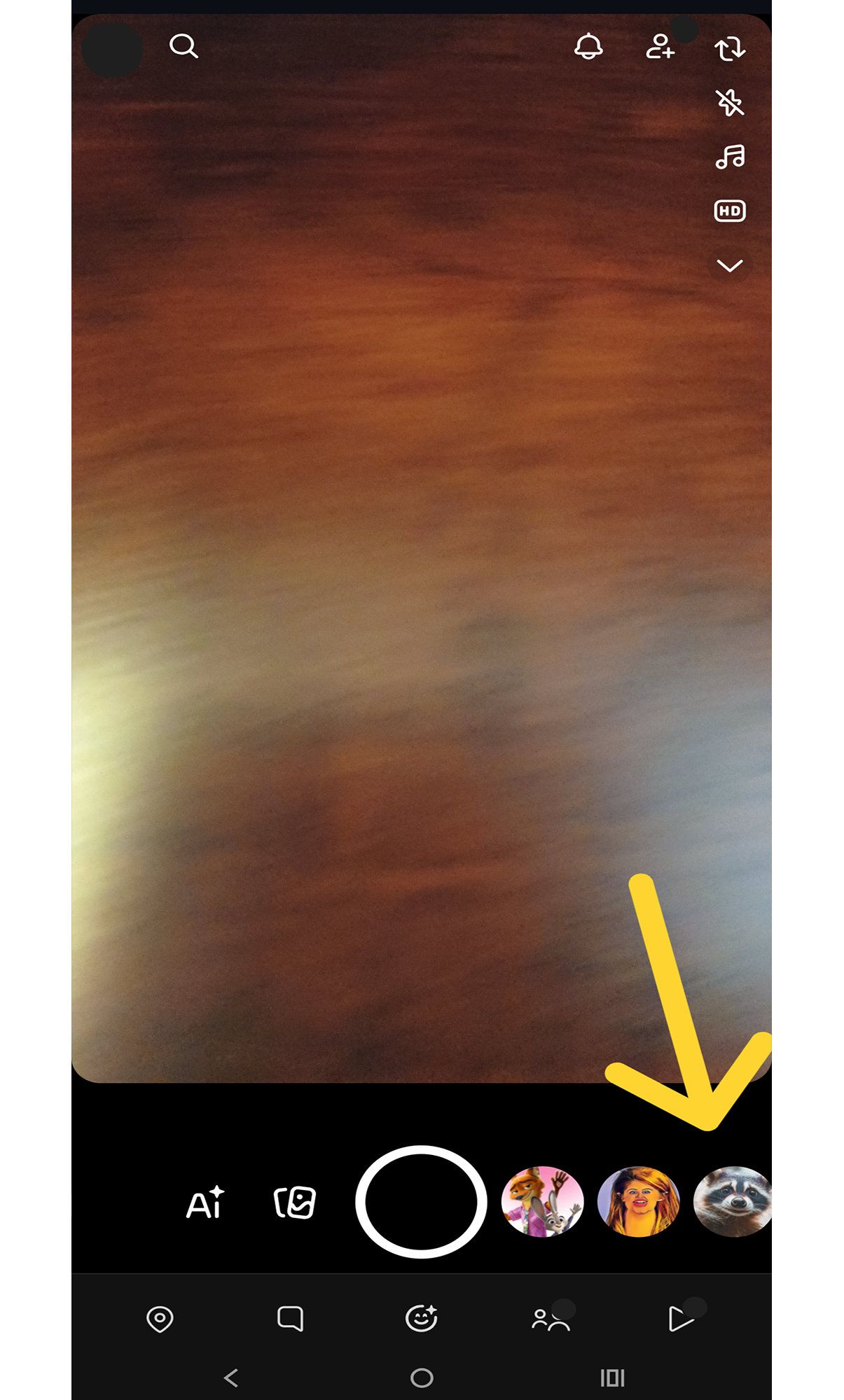
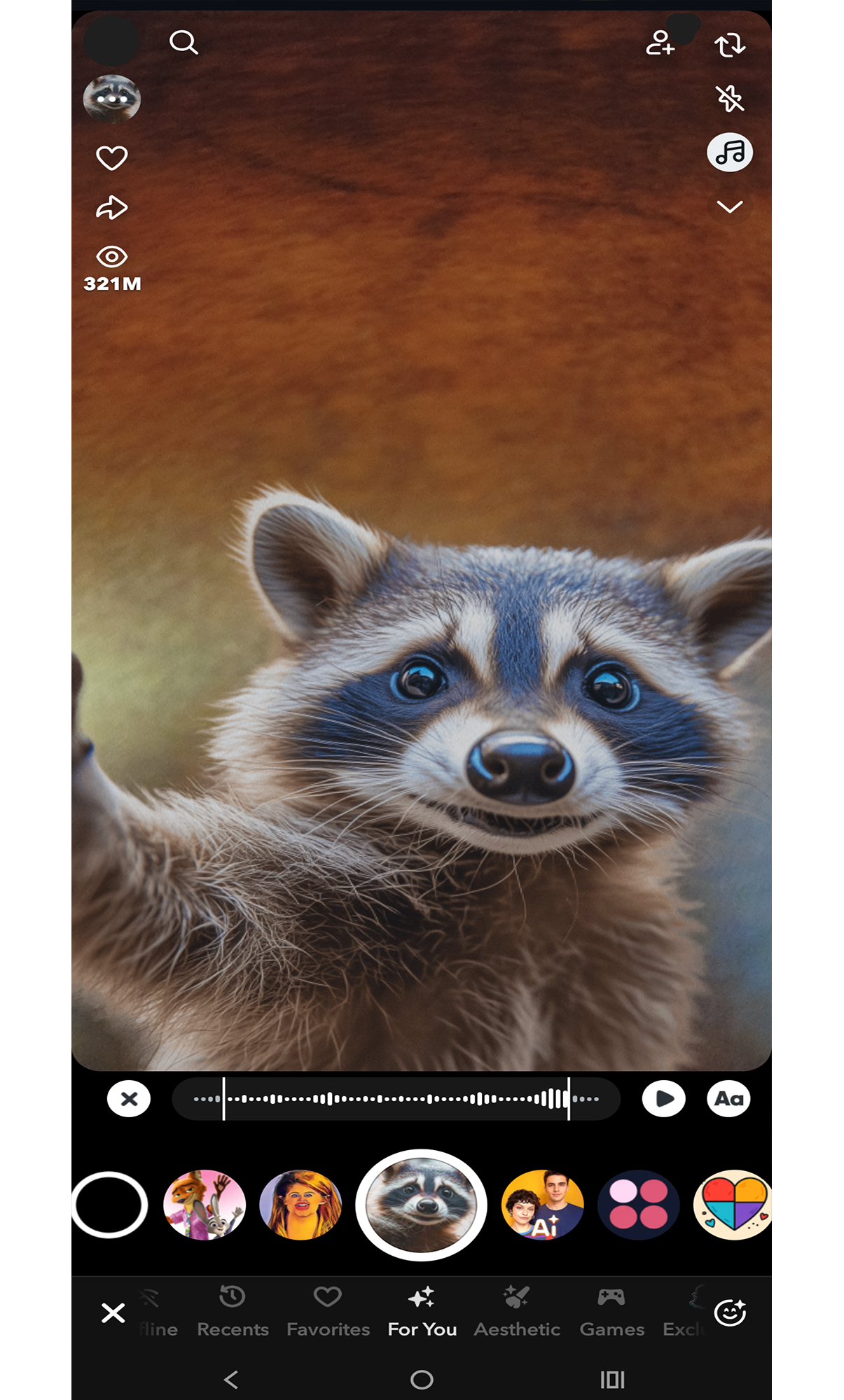
The platform currently determines a “use” as a person seeing the lens on the bottom carousel of options (Figure 1), regardless of if the lens is selected or tried out (Figure 2) or takes a picture with the lens to share (Figure 3).
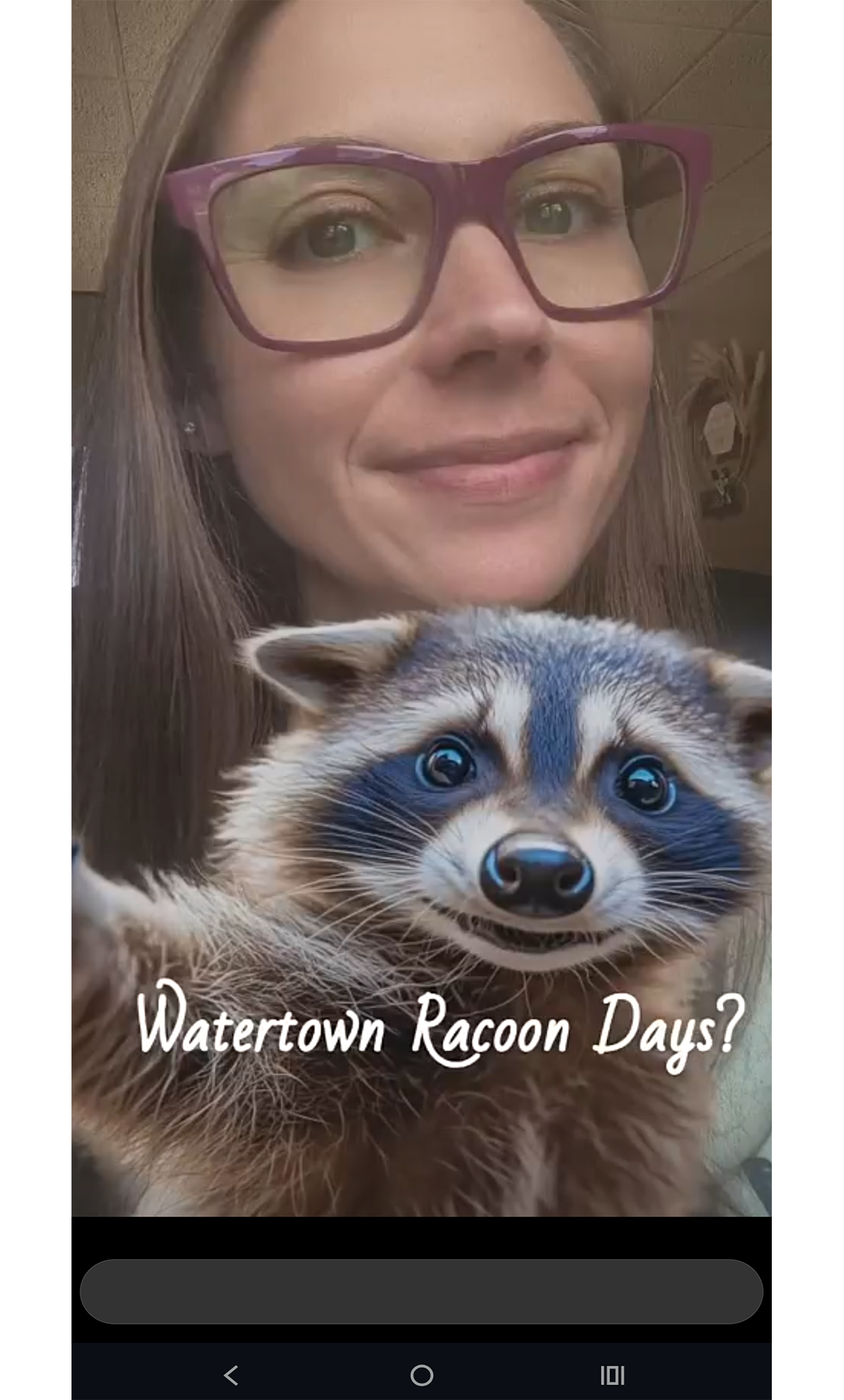
So, if Watertown, SD did a “Racoon Days” event, created a lens, and set a budget of $500, if the cost is $8.00/1000 uses, the lens would be displayed as an option about 62,500 times before the promotion of the lens expired. The number of pictures taken, shares, or views do not matter for the budget (Figure 3).
The Youth Question: Opportunity and Concern
Thinking the biggest draw to using Snapchat is the appeal and use by younger demographics is an easy assumption to make, however this can be a double-edged sword too.
Researchers, educators, parents, policymakers, and even youth themselves continue debating the effects of social media on youth mental health, privacy, body image, attention, and online safety. Snapchat’s disappearing messages, location features, and highly social environment have sometimes been included in these broader discussions.
Organizations considering Snapchat should think intentionally about audience, messaging, privacy, and ethical communication practices.
Questions to consider may include:
- Are we using the platform to encourage positive, inclusive participation?
- Is our content appropriate for mixed-age audiences?
- Are privacy and safety considerations understood?
- Does this approach align with our organizational values and mission?
In the End
Rather than asking whether Snapchat is universally “good” or “bad” for community use, a more useful question may be: Does this tool fit our community’s goals, audience, resources, and values? Like many digital engagement strategies, Snapchat is best viewed not as a one-size-fits-all solution, but as one possible option within a broader community communication and placemaking toolkit.
References
- IBM. (n.d.). What is augmented reality (AR)?.
- National Public Radio. (2026, February 25). What happens when teens help design social media?.
- Pew Research Center. (2026, April 15). Teens’ experiences on TikTok, Instagram, and Snapchat.
- Snap Inc. (n.d.). How much does it cost to advertise on Snapchat?.
- Snap Inc. (n.d.). Lens Studio.
- Snap Inc. (n.d.). Snapchat for Business.
- Sprout Social. (n.d.). Snapchat statistics: Everything marketers need to know.