Garden
All Garden Content
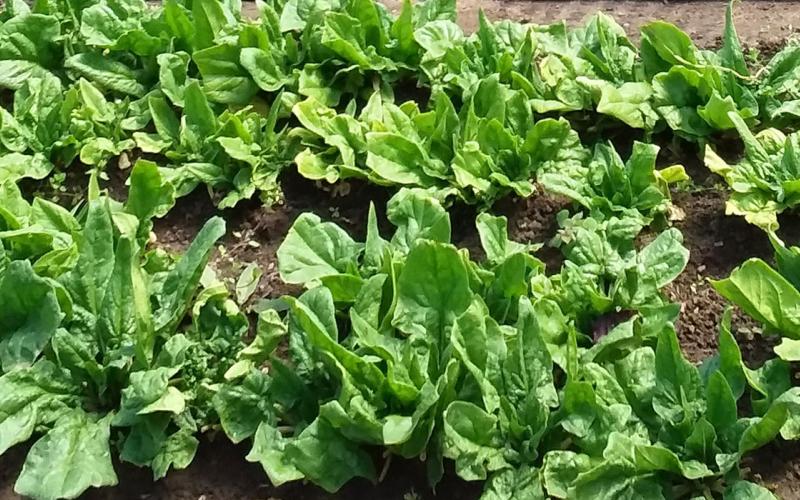
Salad Greens: How to Grow It
Salad greens, grown for their leaves, are cool-season crops. Most salad greens can be planted very early in the spring, and many will germinate in soil temperatures as low as 40° Fahrenheit.
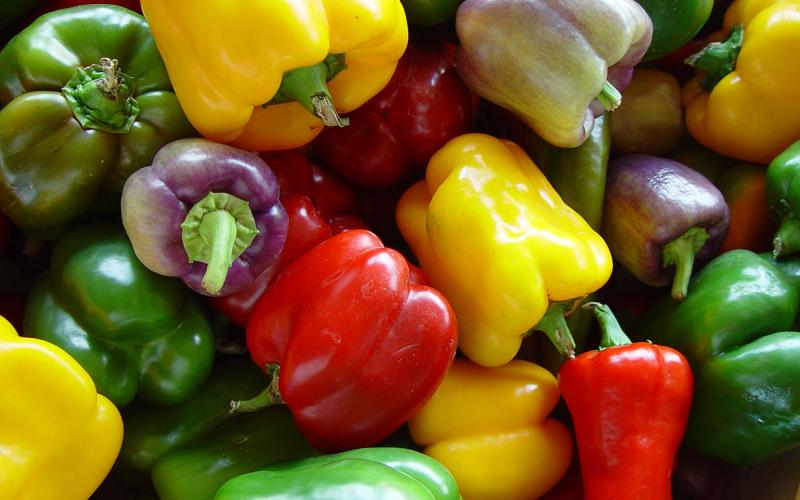
Peppers: How to Grow It
Peppers are heat-loving vegetables that require a long, frost-free season and full sun. Peppers can be sweet or hot, and range in color from green, yellow, orange, red and purple to brown.
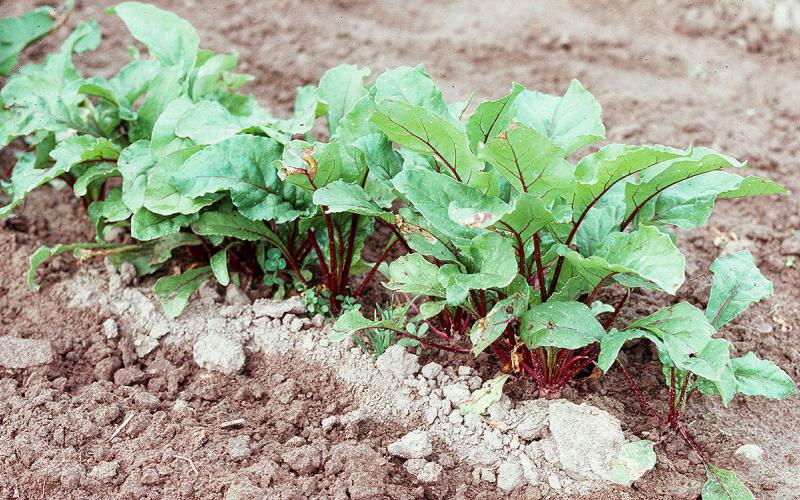
Beets: How to Grow It
Beets are commonly grown for their bulbous roots, but their tops can also be harvested for greens, and they are an excellent source of Vitamin A as well as calcium. They grow best in the cooler temperatures of spring or fall.
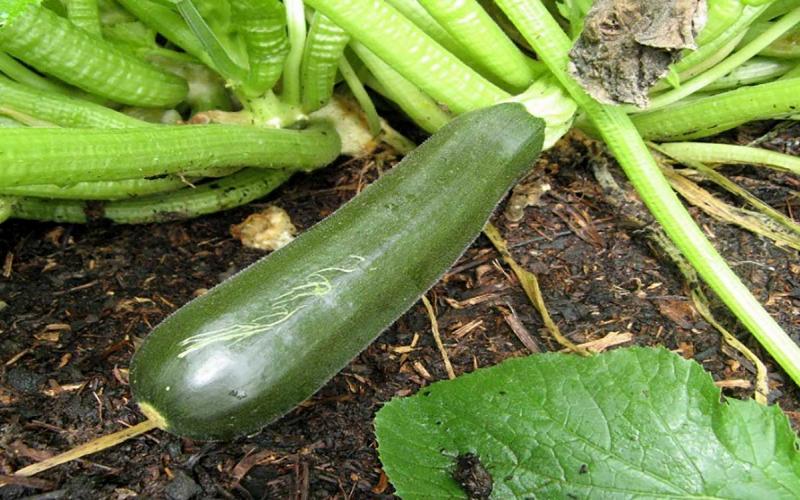
Summer Squash: How to Grow It
There are many types of summer squash, including the familiar zucchini (which can be green, green-striped, or yellow), crookneck, straightneck, patty pan and more.
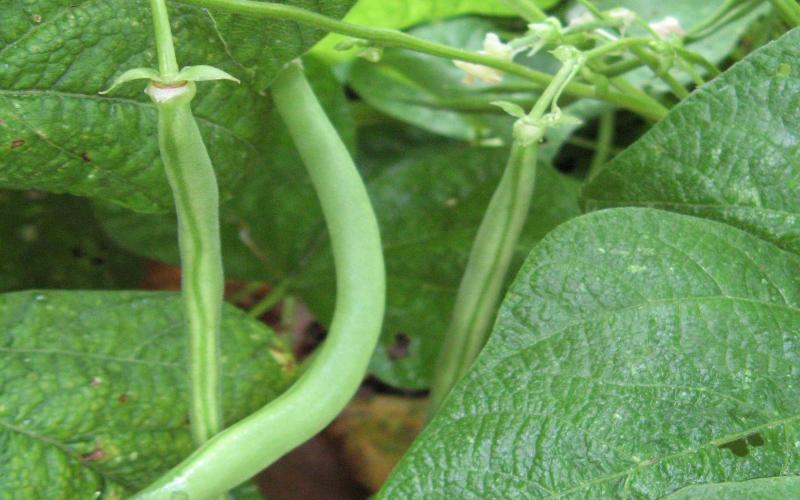
Green Beans: How to Grow It
Snap beans, also called “green beans” or “string beans” (although most modern varieties do not have strings) are harvested when the pods contain immature seeds, and the pods are still succulent.

Cucumbers: How to Grow It
Some cucumber varieties form long vines that may ramble or be trellised. Others are bush types that fit more easily into a small garden or even a large container.

Carrots: How to Grow It
Carrot is a hardy, cool-season vegetable. Carrots are eaten both raw and cooked and they can be stored for winter use.

Peas: How to Grow It
The most common type of pea in American gardens is the shelling pea, also called the “garden pea” or “English pea.” Tender, sweet peas are removed from thin, tough pods before eating.
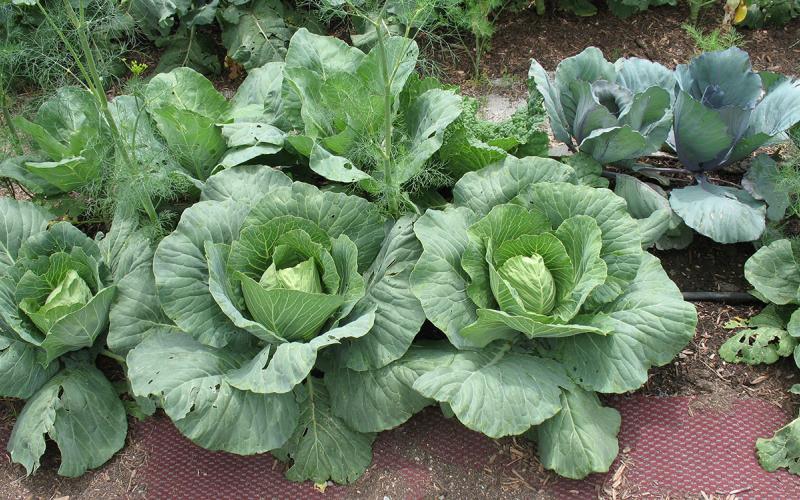
Cabbage: How to Grow It
Cabbages are cool-season crops, very closely related to broccoli, cauliflower, kale, kohlrabi and brussels sprouts.
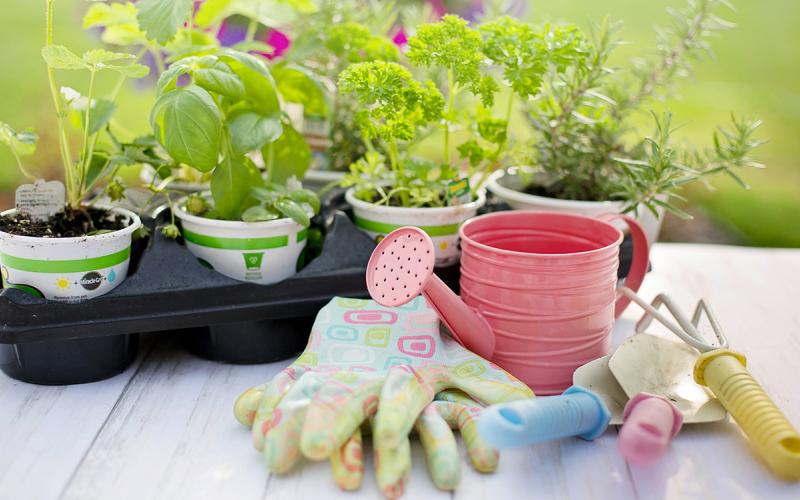
Ergonomic Tools in the Garden
Children, older adults, and anyone with arthritis or other physical disabilities can benefit from ergonomic gardening tools, which are lightweight, easy-to-hold, and comfortable to grip!