Search
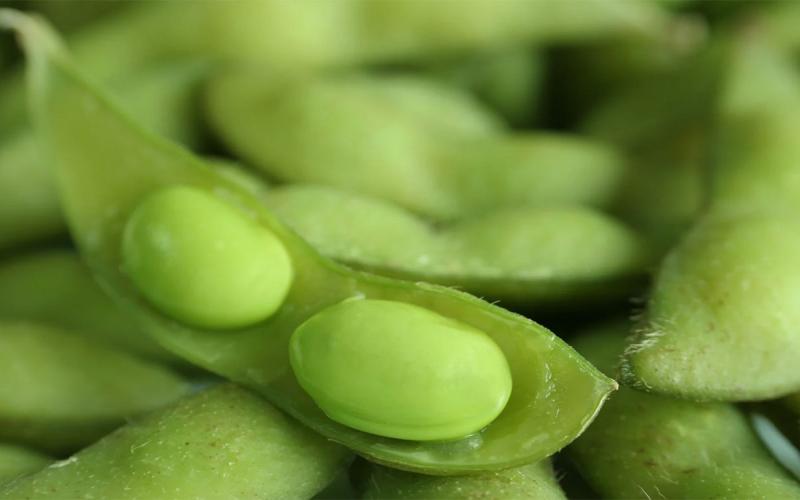
Edamame: Harvest and Storage
Edamame is the Japanese name for edible, immature soybeans, which are cooked prior to eating. Learn how to select, grow, harvest and store edamame with this helpful guide!
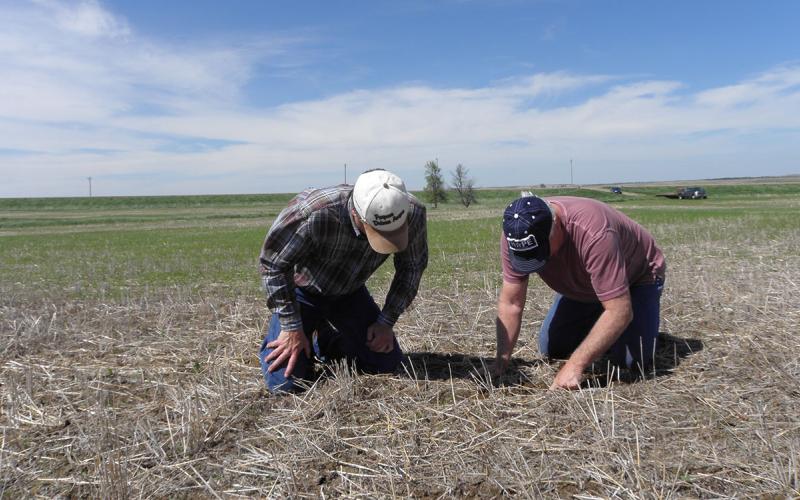
Managing Soil for Carbon Storage
Did you know that adopting soil health principles can lead to increased soil carbon concentrations? Learn about some recent studies in South Dakota that evaluated the potential of land management activities to increase soil carbon.
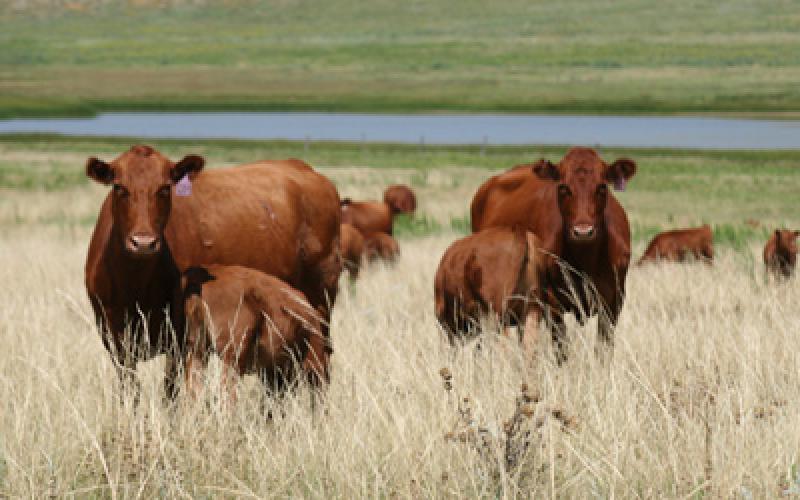
The Cost of Late Calvers
Pounds of beef sold is a key number for cattlemen. Late calvers the cows that drag out the calving season, may cost producers more than extra work and management, they may actually be costing dollars.
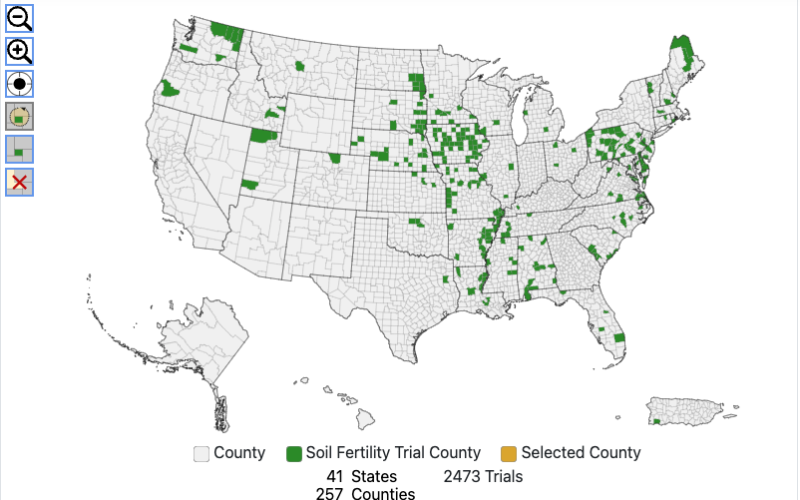
New digital Fertilizer Recommendation Support Tool launches nationwide
April 11, 2024
South Dakota State University Extension and project partners are proud to announce the nationwide release of the Fertilizer Recommendation Support Tool (FRST), a decision aid that provides an unbiased, science-based interpretation of soil phosphorus and potassium values for crop fertilization.
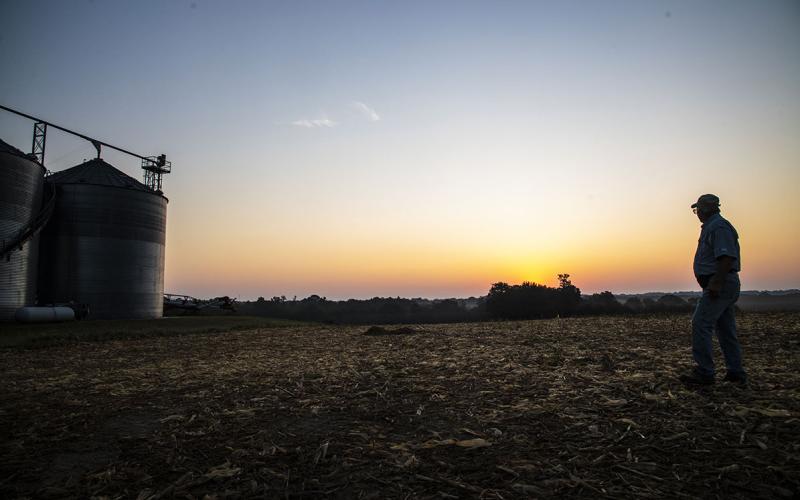
Early Preplant or Preemergence Applications for Weed Management in Corn: Which is better?
Preemergence herbicides should be a part of a successful weed management plan, as these applications limit the amount of early-season weed interference to limit yield loss and reduce selection pressure on herbicide-resistant weeds.

Native Plant Resources for South Dakota
As we continue to see the benefits of growing native plants in cultivated landscapes, finding the right plant for the right place requires the right resources. Learn about some available native plant sources, educational materials, and organizations serving our region.
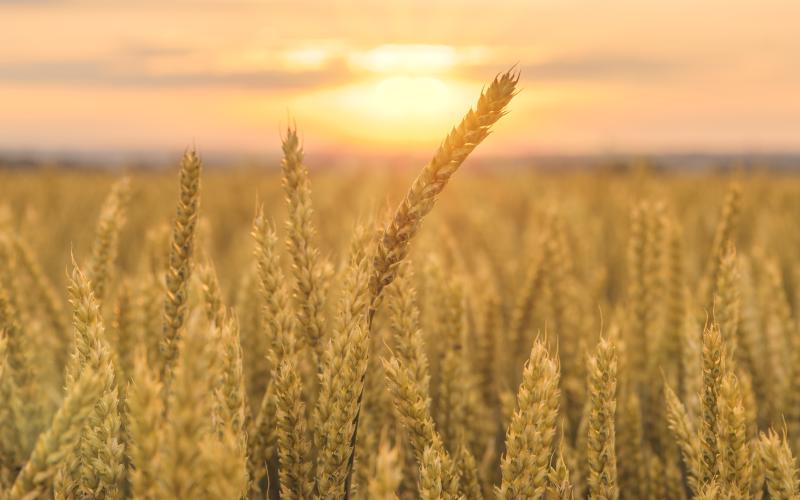
Looking Back: A History of Wheat Production in SD
In spite of the open winter and some of the worst drought conditions in history, South Dakota ended up with a very good wheat crop in terms of yield and quality in 2012. The winter wheat yields averaged 50 bushels to the acre; second highest average yield in SD recorded history.
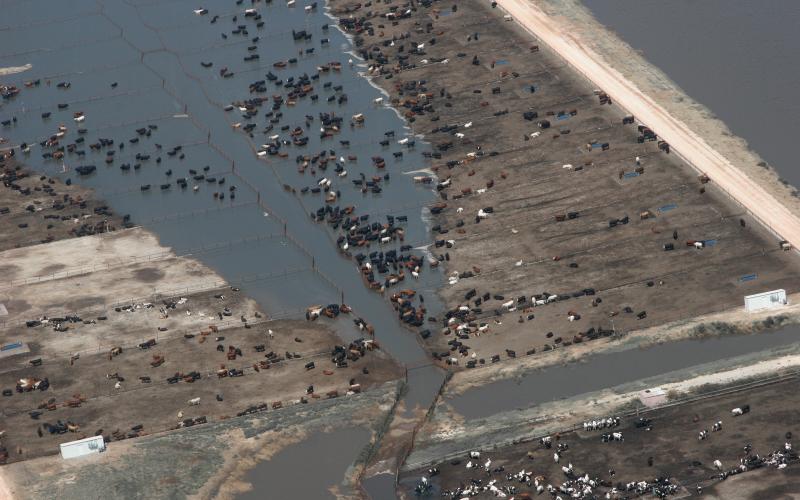
Dealing With Spring Mud and Flooding
As the snow melts, we are going to be left to deal with mud at a minimum and extensive flooding as a possible worst-case scenario. While we can’t control the pace of melting or the possibility of additional precipitation, we may be able to take a few steps to mitigate the negative impacts.
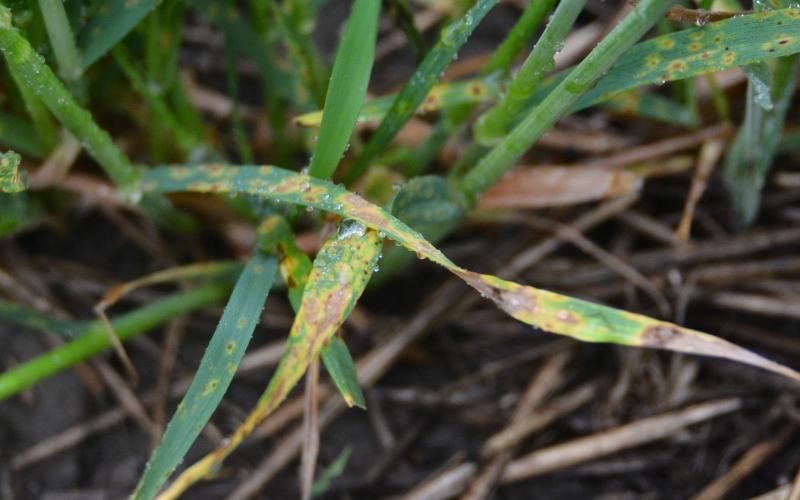
Diagnosing Early Diseases in Winter Wheat
Winter wheat progress is relatively behind the five-year average given the long winter season and low spring temperatures. However, it is important to scout and diagnose early-season diseases in winter wheat to determine the need for an early season fungicide.
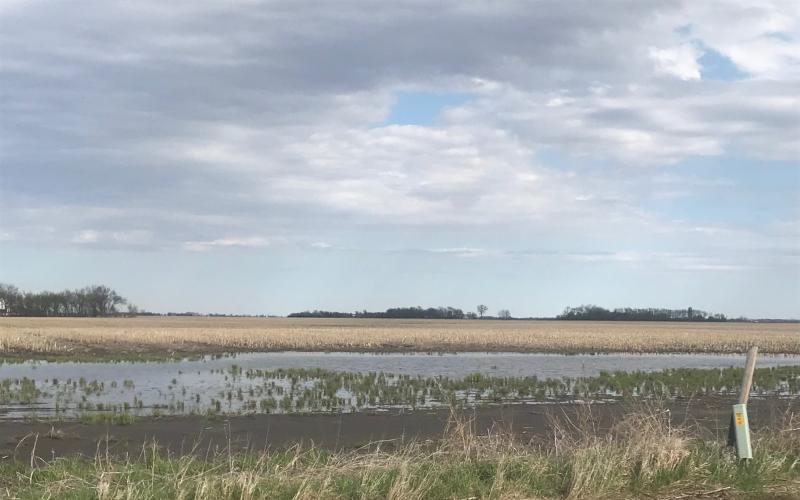
Delayed Planting Challenges: Cover Crop Considerations
High waters and saturated soils across many counties in South Dakota have producers worried about getting their crops planted in a timely manner this spring. In many areas, typical cash crops will not be a possibility. Producers may need to develop alternative plans.