Search
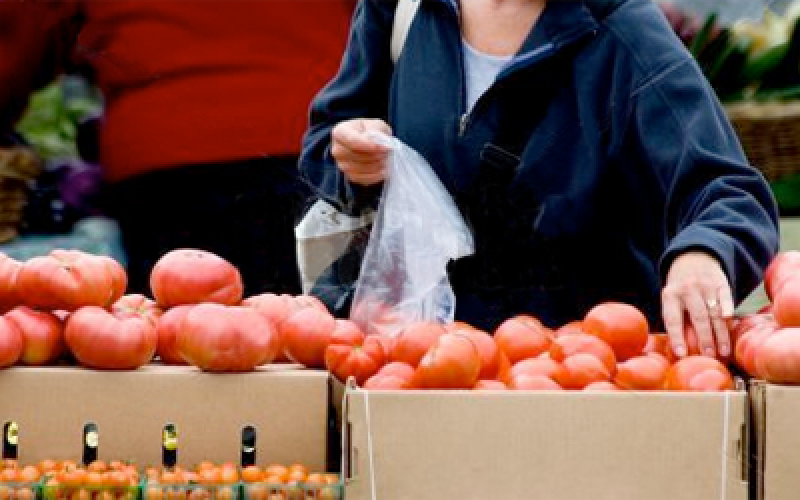
Growing Tomatoes in South Dakota
Few vegetables inspire us more than home-grown tomatoes, bursting with vine-ripe flavor. Tomatoes are easy to grow in containers or in the ground, and are excellent sources of vitamins A and C, as well as cancer-fighting lycopenes.
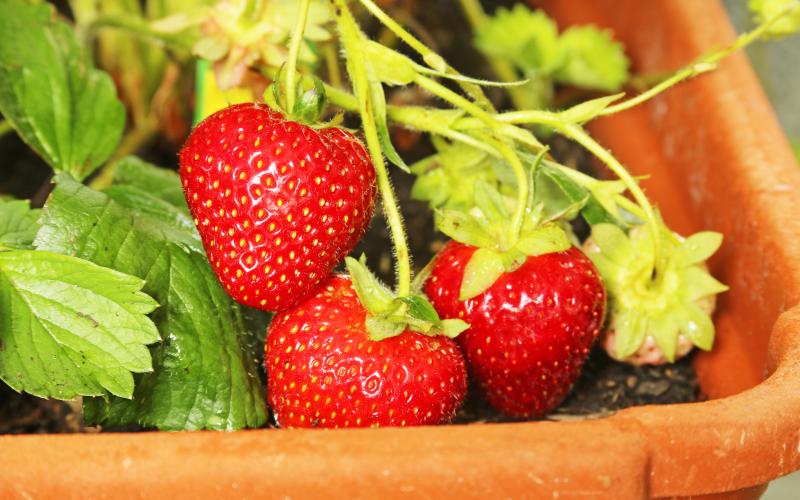
Strawberries in South Dakota
Learn how to grow junebearing or everbearing strawberries in home gardens.
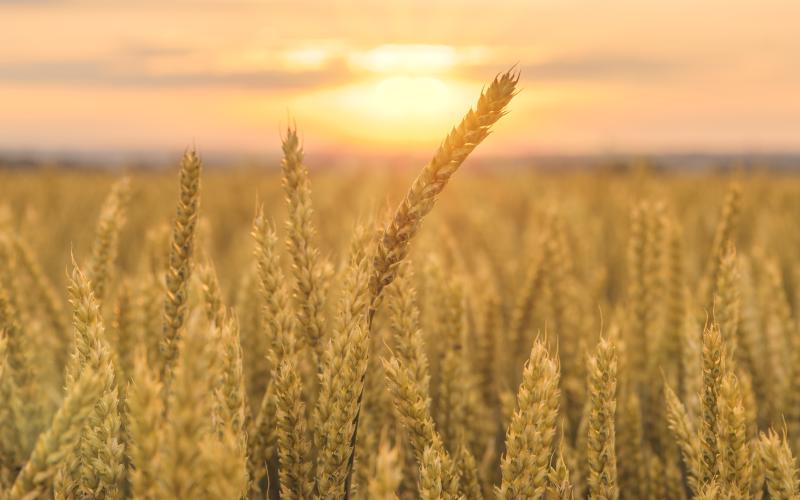
Instinct HL and Nitrogen Management Effect on Winter Wheat Yield
Nitrogen (N) additives to control N losses through volatilization, denitrification, and leaching are widely used in the Midwest. Slowing the conversion of nitrogen fertilizers to nitrate may lessen leaching and denitrification losses if precipitation or soil becomes saturated.
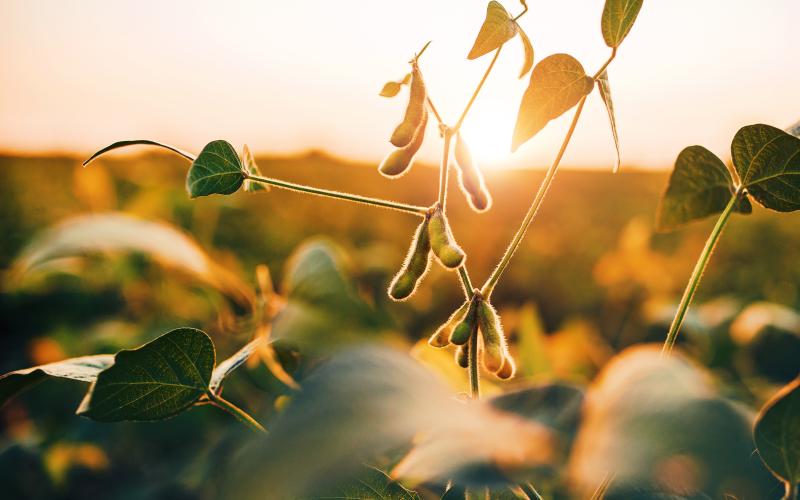
Investigation of Soybean Seed Treatment and Inoculant in Southeastern SD, 2018
Soybean seed treatment products are widely utilized by many farmers in southeastern South Dakota and the surrounding area. These products often consist of an insecticide/fungicide combination, and/or inoculant that is mixed and placed on the seed as a pre-treatment before the grower plants the crop.
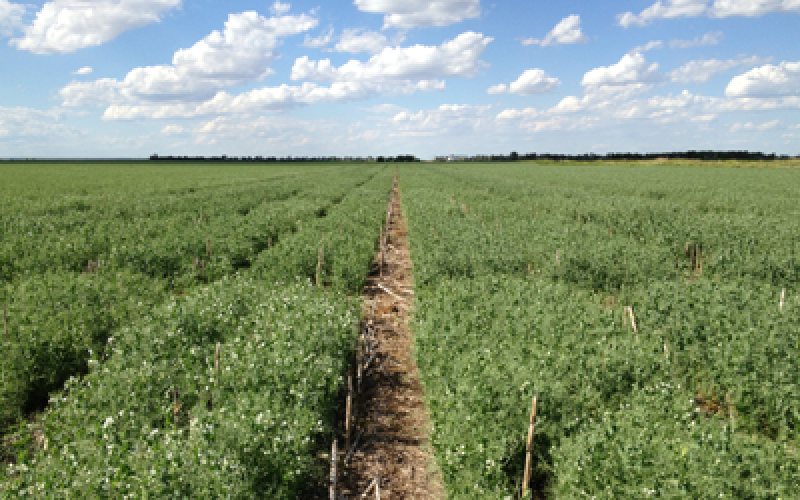
An identification guide of common Diseases of Dry Peas in South Dakota
A guide depicting common diseases of Dry Peas in South Dakota
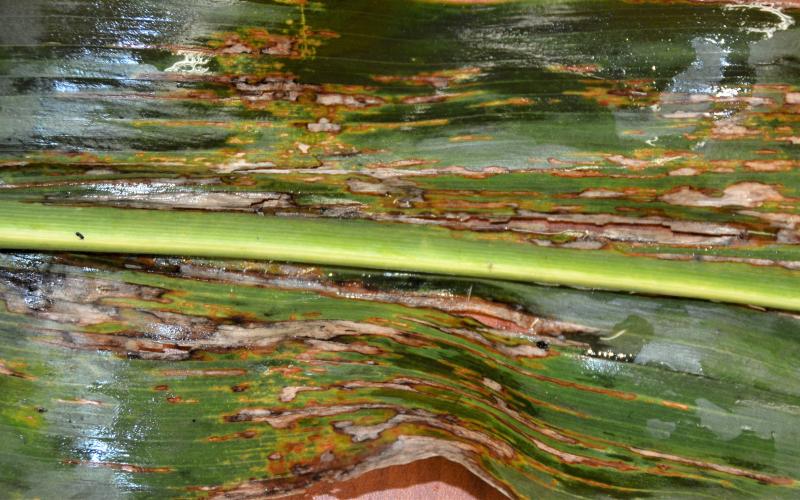
Bacterial Leaf Streak of Corn: A New Corn Disease in South Dakota
Bacterial leaf streak, caused by Xanthomonas vasicola pv. vasculorum (Xvv), is a recently discovered disease of corn in South Dakota. The disease was first identified in Nebraska in 2016 but now has been found in the majority of the Corn Belt states. Under favorable weather conditions bacterial leaf streak can develop to reach yield reducing levels. Like any other bacterial disease, once symptoms develop there is little that can be done to control it in the field. However, it is important to correctly diagnose this as a bacterial disease because it can be confused with gray leaf spot which is a fungal disease.

Fungicide Resistance: Risk and Management
What is fungicide resistance?
Fungicide resistance can be defined as when a pathogen population is no longer sensitive or has reduced sensitivity to the fungicide that used to control the same pathogen.

2023 Evaluation of Newly Established Clover Cover Crops as a Living Mulch for Sustainable Broccoli Production in Eastern South Dakota
Research report on observing the performance of three different clover species used in a broccoli production system.

Did the Deer Persevere? 2023 Evaluation of Clover Cover Crops as a Living Mulch for Pepper Production in Eastern South Dakota
Research report analyzing the relationship between four different clover species and four different soil management practices and their effects on pepper growth and yield as well as weed suppression.

Broccolini Performance in Three Established Clover Living Mulches in Eastern South Dakota
Research report determining the impact of three established clover species on weed suppression, crop growth, and broccolini yield.