Search

Registration open for 2026-2027 SowBridge educational webinars
January 27, 2026
Registration is open for the 2026-2027 educational SowBridge webinar series, which starts on Feb. 4, 2026.
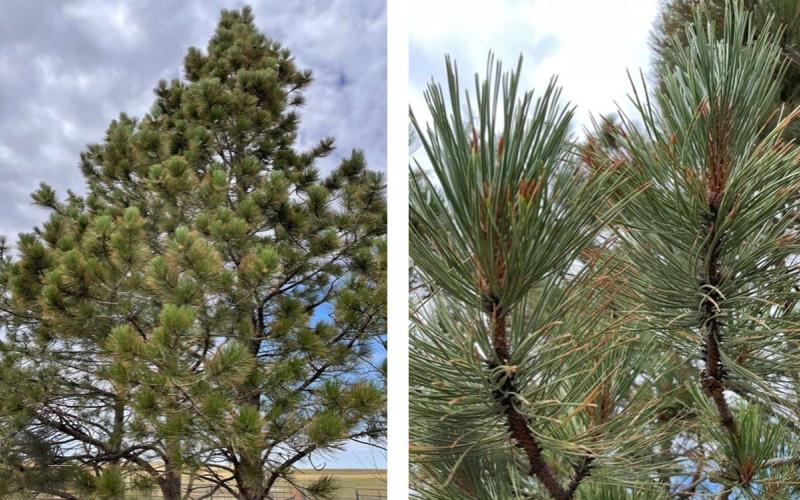
Pine Needles: Another Possible Threat to Beef Cow Pregnancies
For at least the past 50 years, consumption of Ponderosa Pine tree needles (and those from a few other pine tree species) by pregnant cattle has been recognized as a cause of abortions during the last trimester (three months) of gestation.

Range Roundup: Long-Term Grazing Records Can Guide Future Management
For nearly 80 years, researchers at the Cottonwood Field Station have monitored how different stocking rates have shaped plant communities. Today, these records are being compared with modern data to help us better understand how rangelands respond to long-term grazing management.
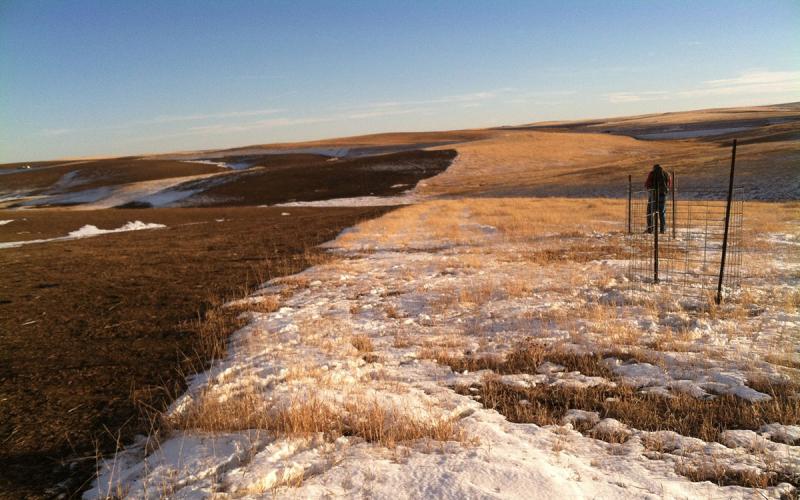
Reading the Range in Winter: What Dormant Season Clues Reveal About Spring
For range and grazing management, winter is one of the most revealing times of the year. With a few hours in each pasture, managers can gather a season’s worth of insight and set themselves up for a more-resilient grazing year.
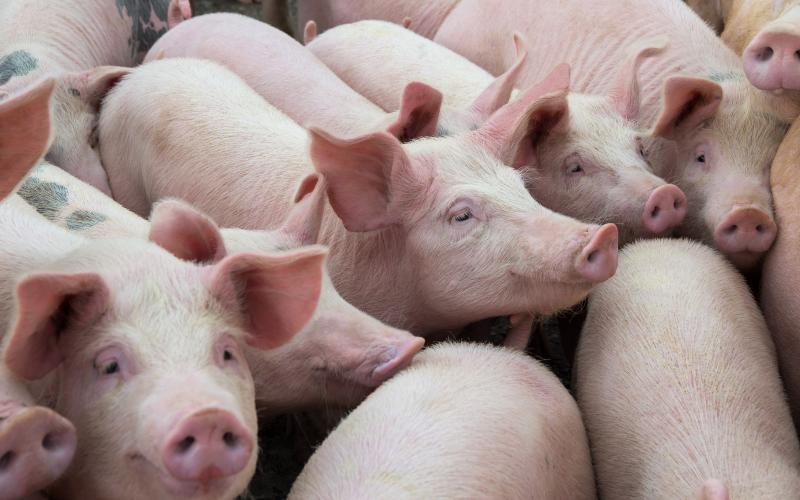
The Healthy Swine Herd Series
Series of publications to keep your swine herd healthy
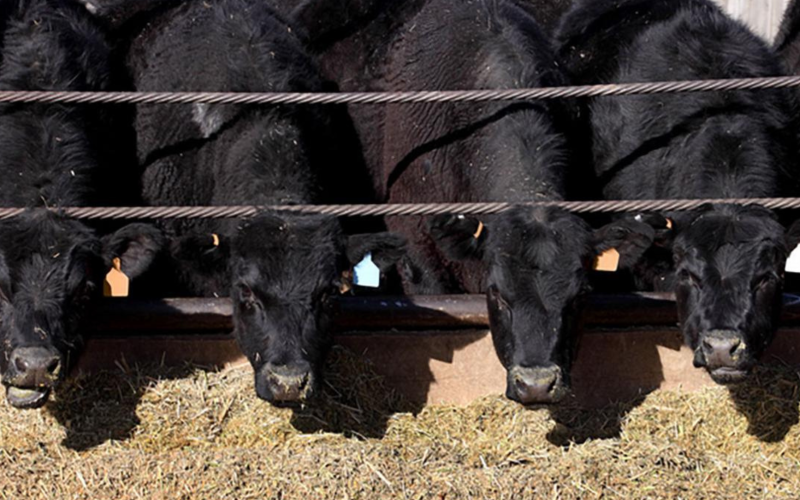
SDSU Extension co-hosting Cattlemen’s Education Day
February 03, 2026
South Dakota State University Extension, in partnership with the South Dakota Cattlemen’s Association, is hosting Cattlemen’s Education Day on Feb. 19, 2026.
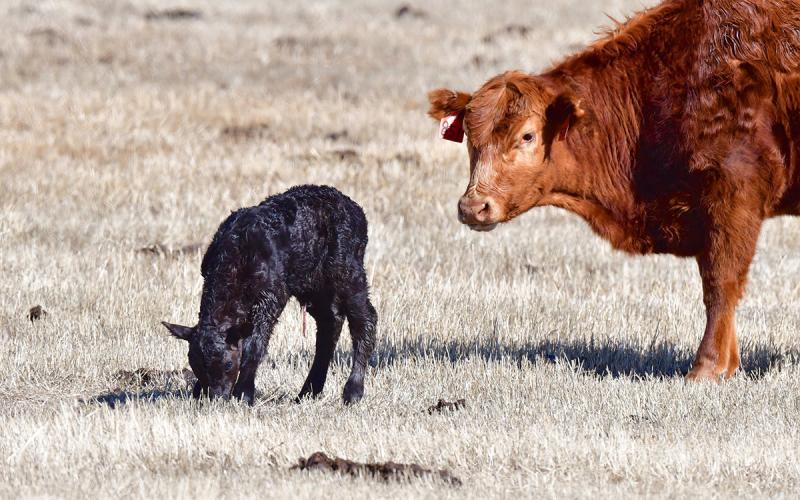
SDSU Extension encourages participation in Nebraska Extension Calving College
February 06, 2026
South Dakota State University Extension is encouraging cow/calf producers to participate in a series of calving workshops hosted by Nebraska Extension.
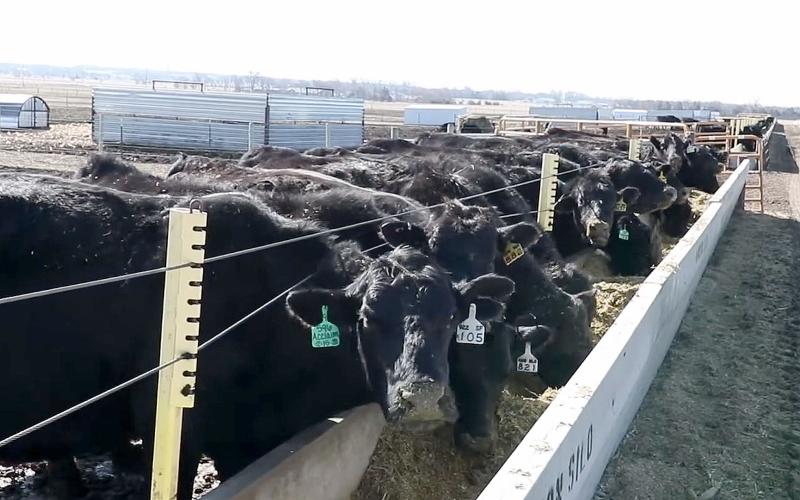
Replacing Distillers Grains with Heat-Treated Soybeans to Increase Finishing Cattle Growth
Heat-treated soybeans offer interesting attributes that could enhance cattle growth. The SDSU Feedlot Research group recently examined how they can fit into modern cattle feeding diets.
![A herd of cattle gather around a stock pond on a vast, lush grassland. Courtesy: USDA [CC BY 2.0]](/sites/default/files/styles/teaser_800x500/public/2019-05/W-00231-00-cattle-grazing-grassland-pasture-range.jpg?h=8f818b46&itok=6GS1_Ww0)
Weed Control: Pasture and Range
There are many undesirable plants or invasive plant species in South Dakota's 24 million acres of native and tame pasture range. This guide provides a summary of different herbicide suggestions and uses.
SDSU Extension welcomes new forage field specialist
February 10, 2026
South Dakota State University Extension is pleased to welcome Kim Ricardo as a new Forage Field Specialist.