Search
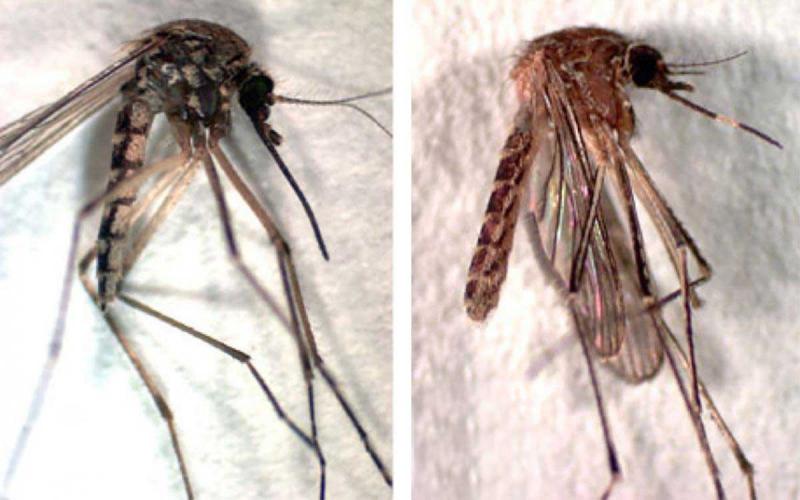
Know Your West Nile Virus Vectors
In some areas of South Dakota, recent precipitation has led to an increase in mosquito activity. To reduce the chances of contracting West Nile Virus, it is important to understand the behavior of the mosquitos capable of vectoring it.
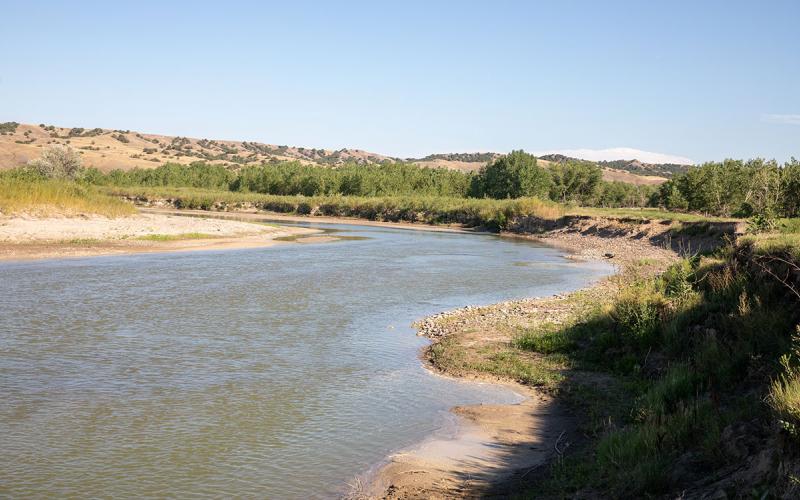
Water Rights in a Time of Drought
During a drought, it is not surprising that the South Dakota Water Rights Program will see an increase in permit applications. In South Dakota, water is considered the property of the people of the state, and depending on your intended water use, a water right permit may be needed.
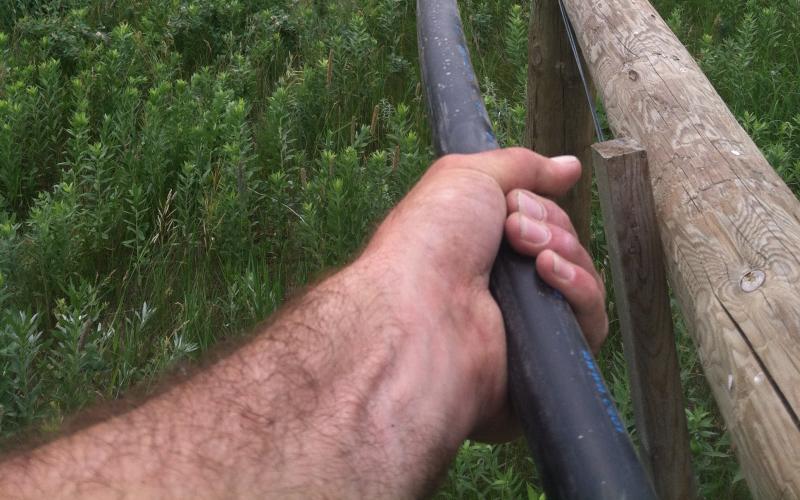
Recent Changes in Above-Ground Pasture Pipe Requires Matching Pipe and Fittings Correctly
Above-ground water systems have become a very popular tool to deliver clean water from reliable sources to pastures across South Dakota. Many of us assumed some of the new fittings from different manufacturers are universal, but it turns out they are not!

South Dakota Grasshopper Prediction for 2024
In 2024, grasshoppers are likely to cause problems in areas of South Dakota due to large populations that were present in 2023 and the relatively late first hard freeze date observed in much of the state.

South Dakota Grasshopper Prediction for 2026
Almost every year in South Dakota there is a risk that grasshopper populations will reach levels capable of causing issues for producers. Unfortunately, our prediction for the 2026 growing season won’t change the trend.
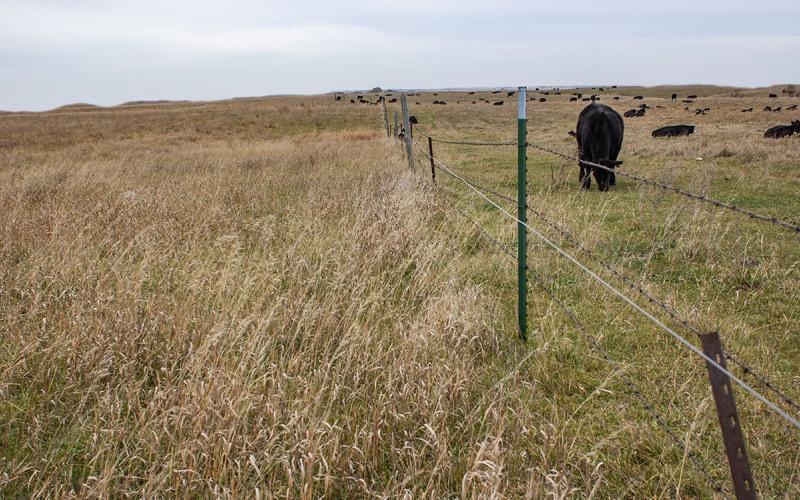
Reading the Range: Range readiness, grazing timing and drought considerations
Grazing timing is key when managing rangelands during a drought. Learn how to determine grazing readiness for different plant communities found throughout pastures and rangelands.
Replanting Cropland Back to Grassland
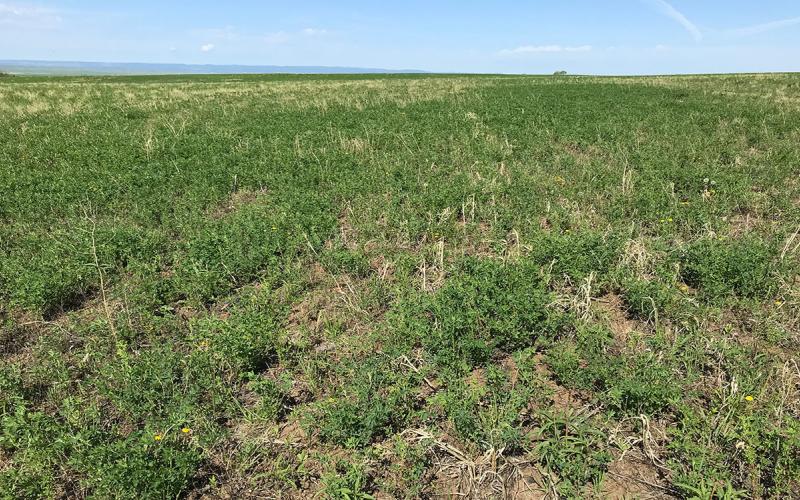
Planting cropland back to grassland takes some planning regarding previous herbicide use, soil fertility and seed bed preparation. The first step is to identify what resources are currently available to help you reach your objectives and what problems may need to be addressed.
What are Those Gigantic Flies?
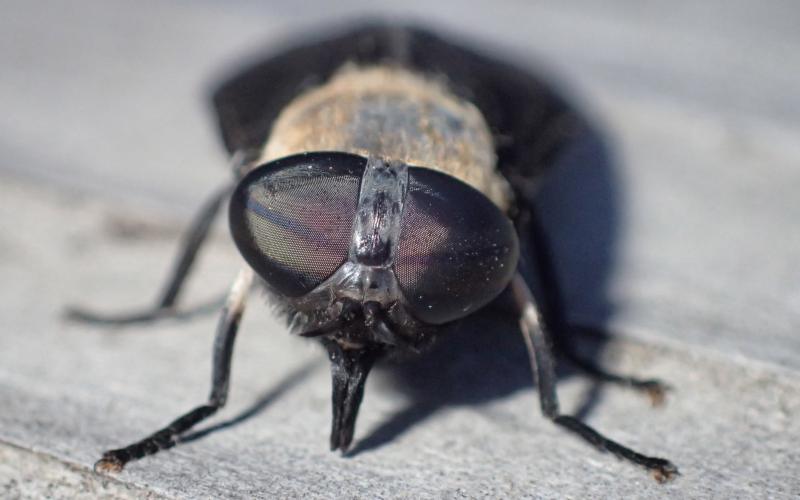
As we progress later into the summer, we commonly see an increase in horse fly activity.

Native Plant Resources for South Dakota
As we continue to see the benefits of growing native plants in cultivated landscapes, finding the right plant for the right place requires the right resources. Learn about some available native plant sources, educational materials, and organizations serving our region.
Feed Management for Efficient U.S. Livestock Systems: Introducing the National Animal Nutrition Program’s Feed Management Committee
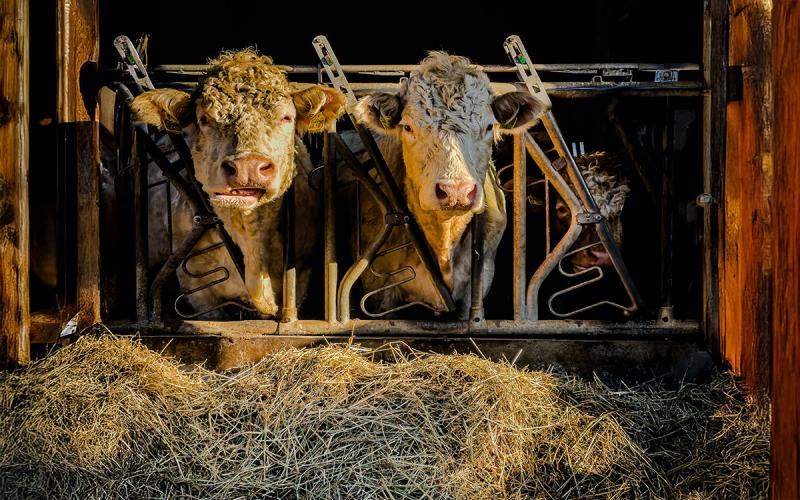
The National Animal Nutrition Program’s Feed Management Committee brings together experts in animal science, nutrition, and natural resource management to increase awareness and use of livestock feeding management and to address conservation needs.